Get Pricing
Tin recycling recovers more than old solder
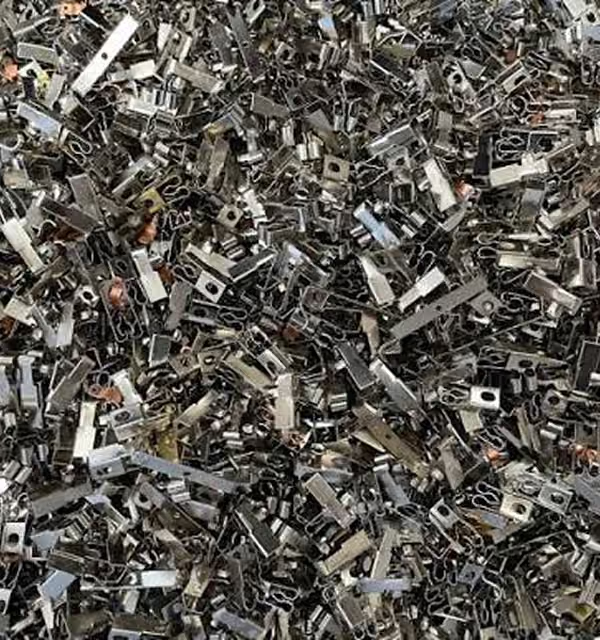
Tin’s largest use is solder for electronics, followed by tinplate, chemicals and bearing and bronze alloys. Electronics assembly lines, wave soldering, plating shops and solder producers all create tin scrap: off-spec bars, wire ends, solder paste, spent anodes and process residues. A large share of global tin already comes from recycling, and clean industrial tin scrap is easy for refiners to put back into new solder.
FORMS WE BUY
Tin scrap we buy from industry
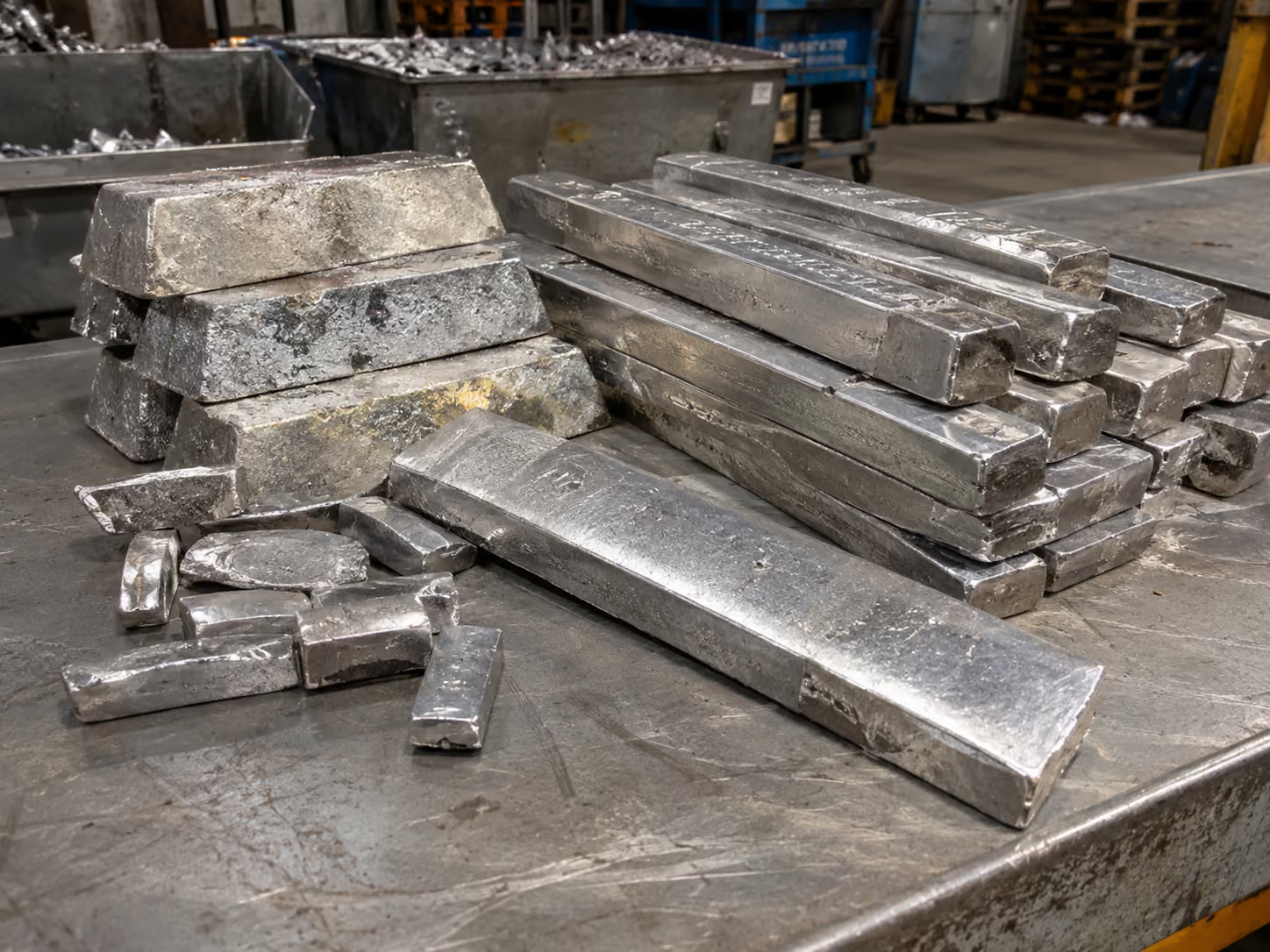
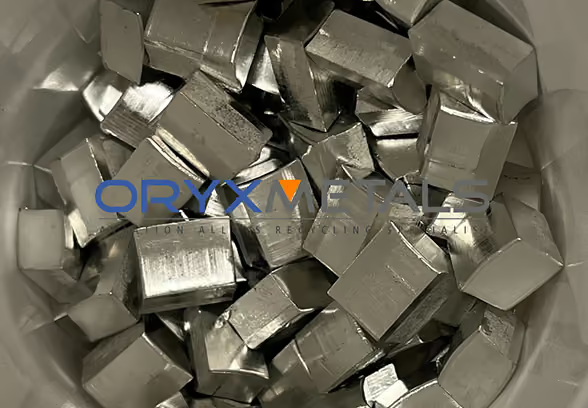
Solder bars and ingots
Lead-free and tin-lead bars, off-spec ingots
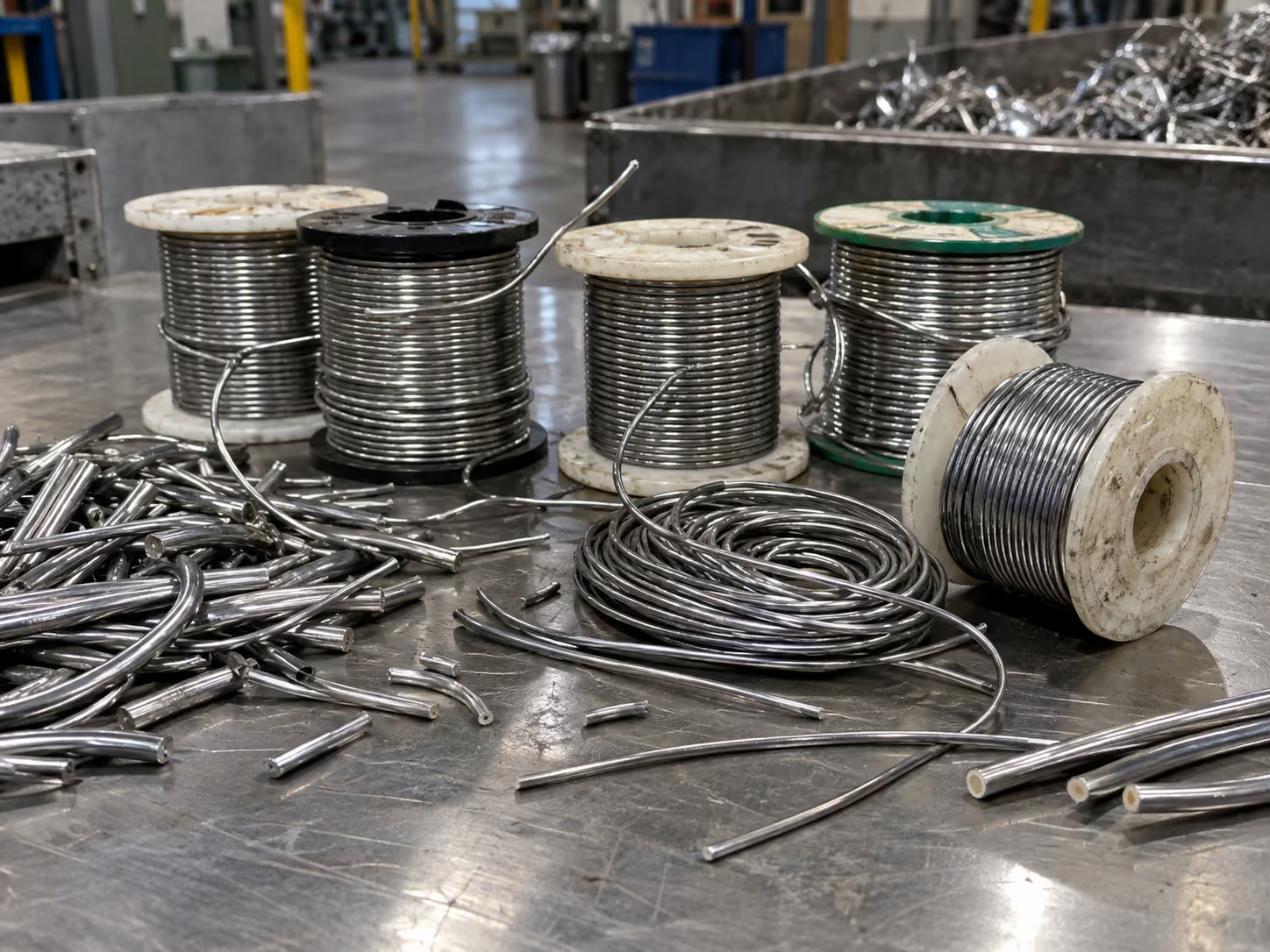
Solder wire
Spools, ends and flux-cored wire
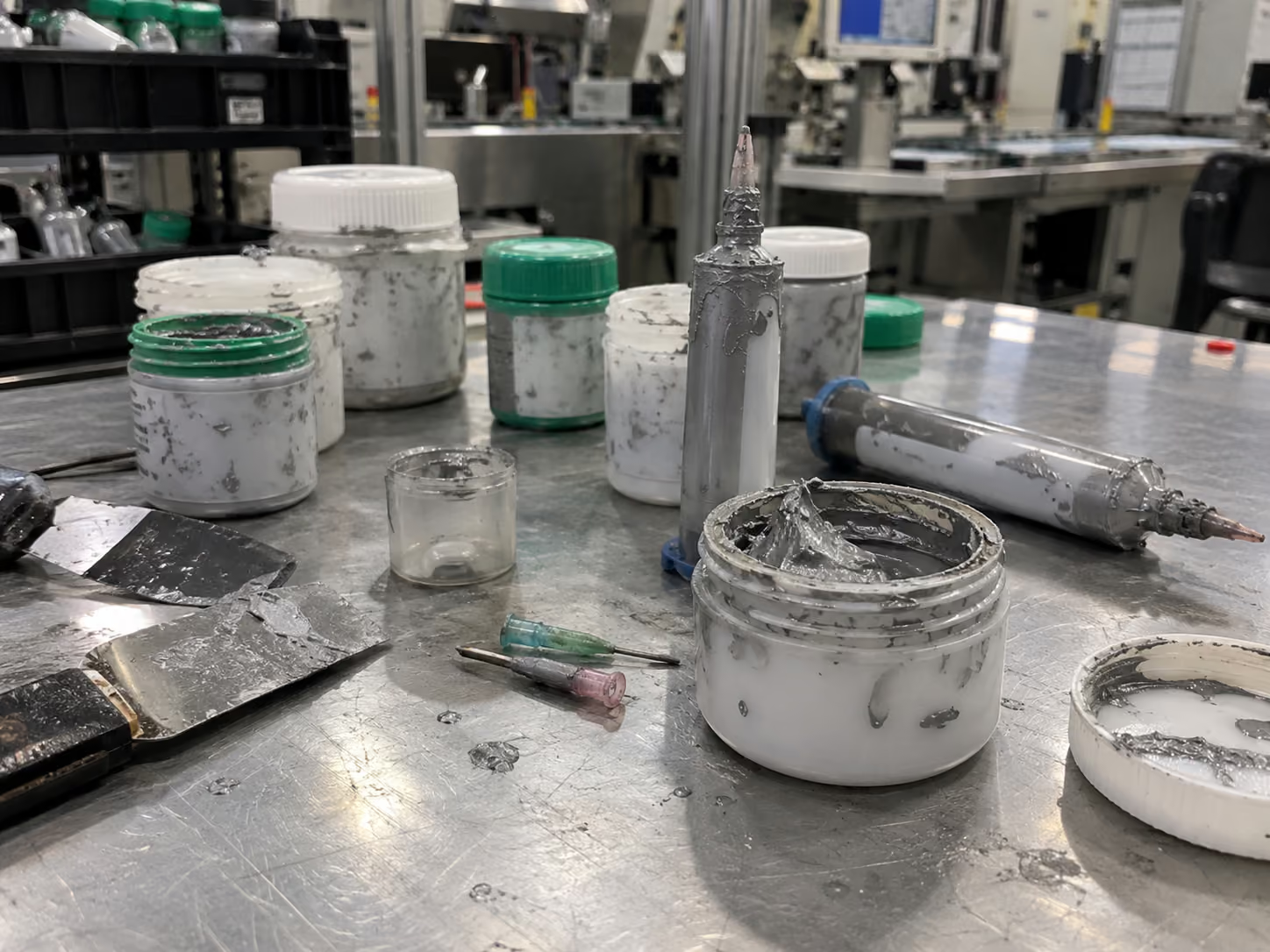
Solder paste
Expired, surplus and used paste in jars or cartridges
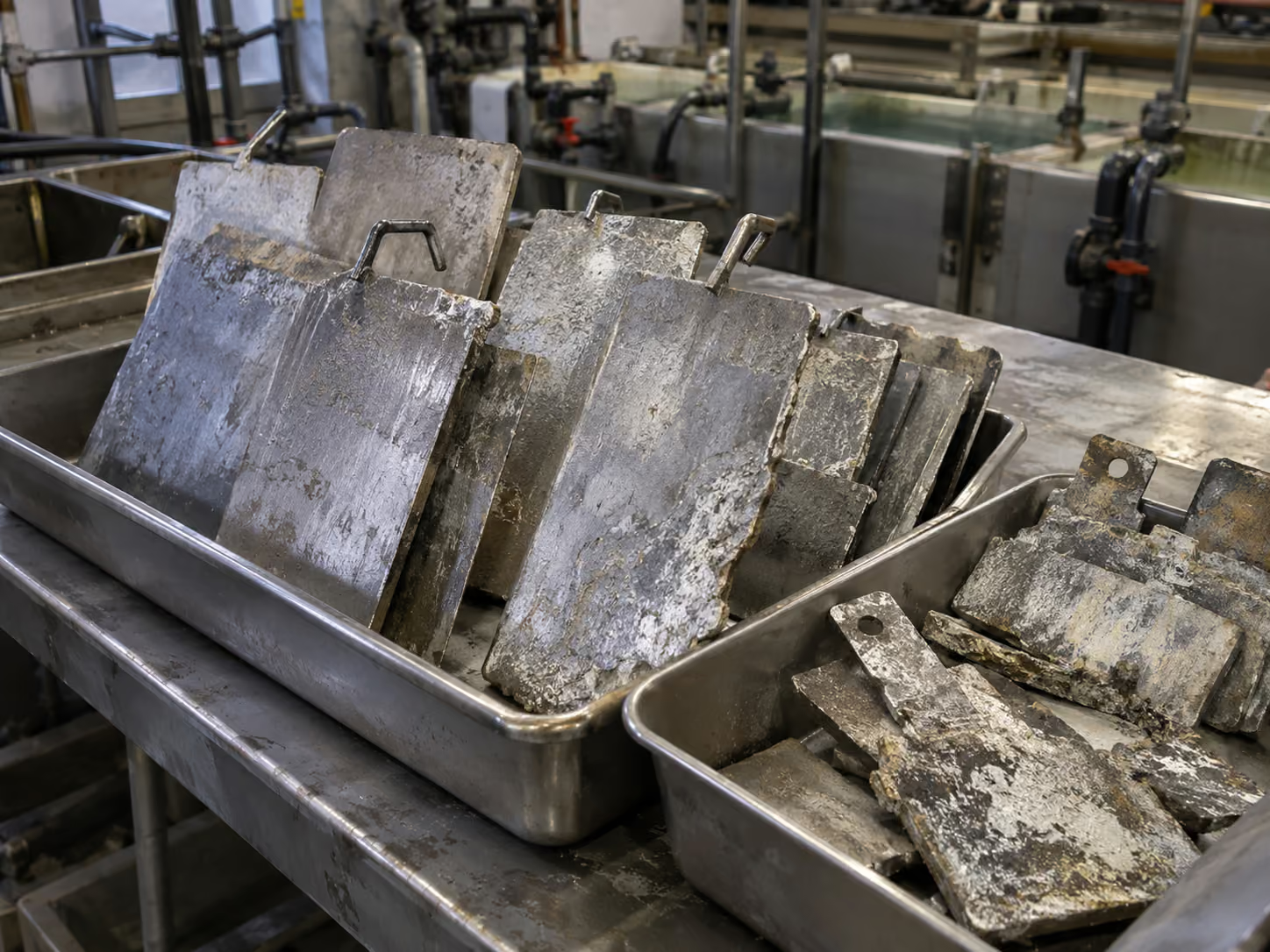
Tin anodes
Spent and partial plating anodes
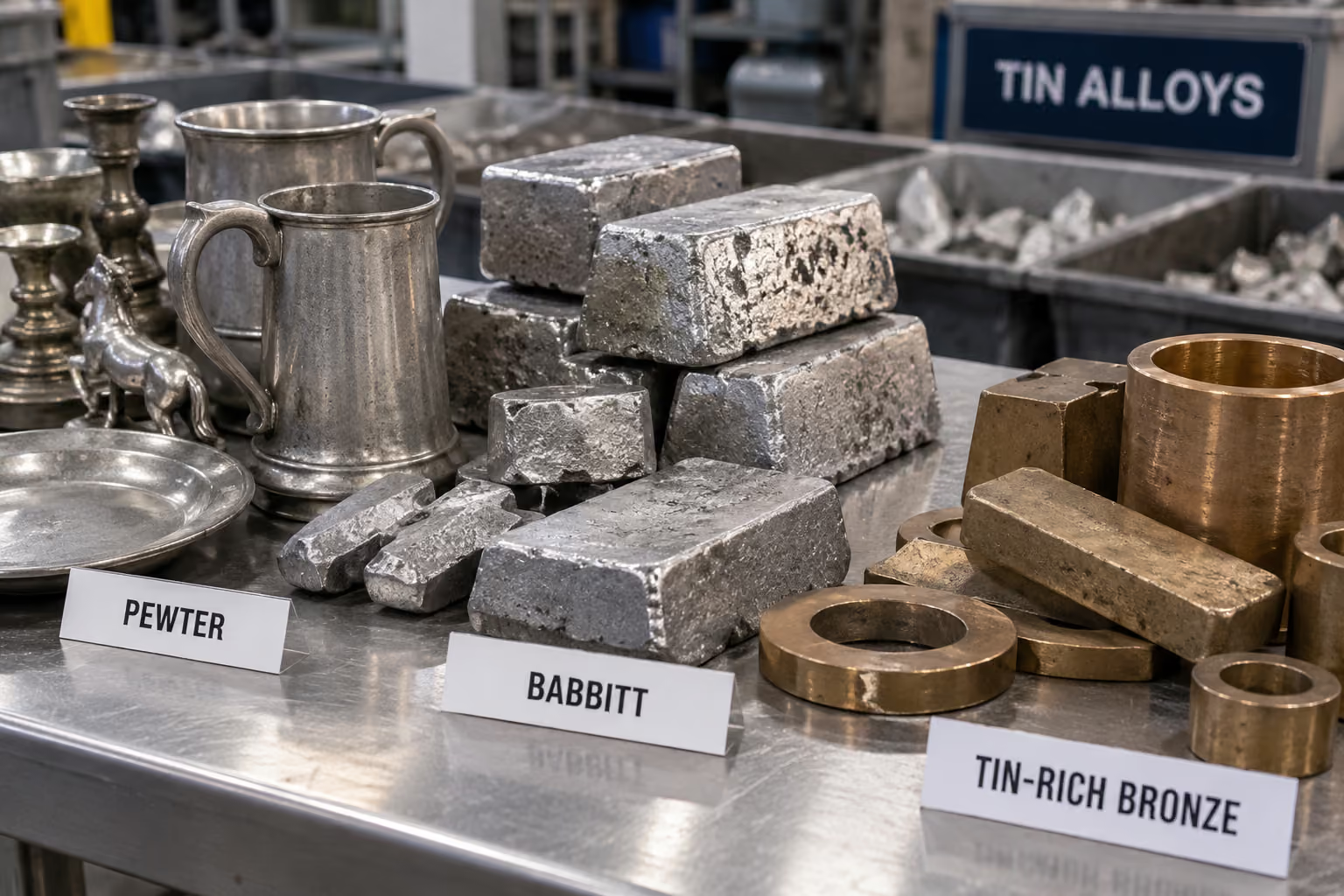
Tin alloys
Pewter, babbitt and tin-rich bronze
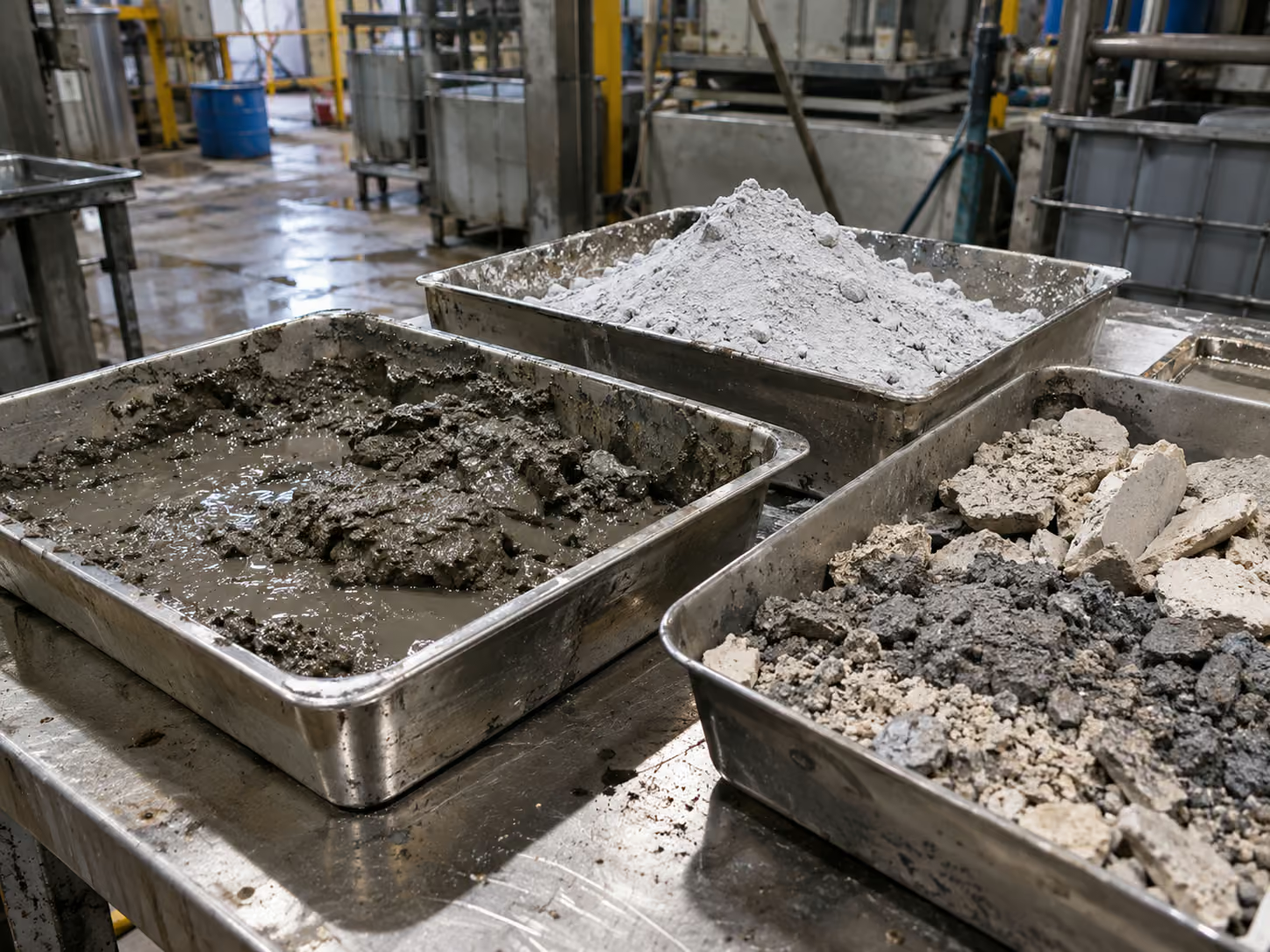
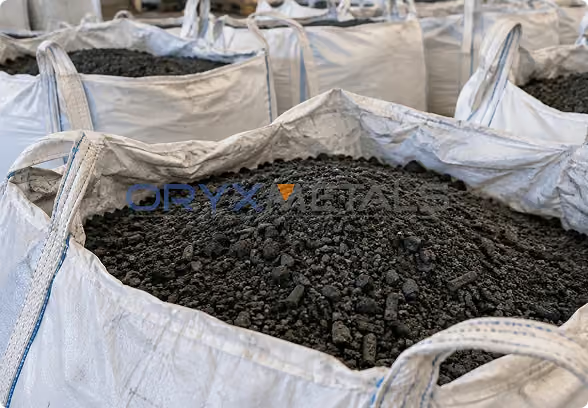
Tin-bearing residues
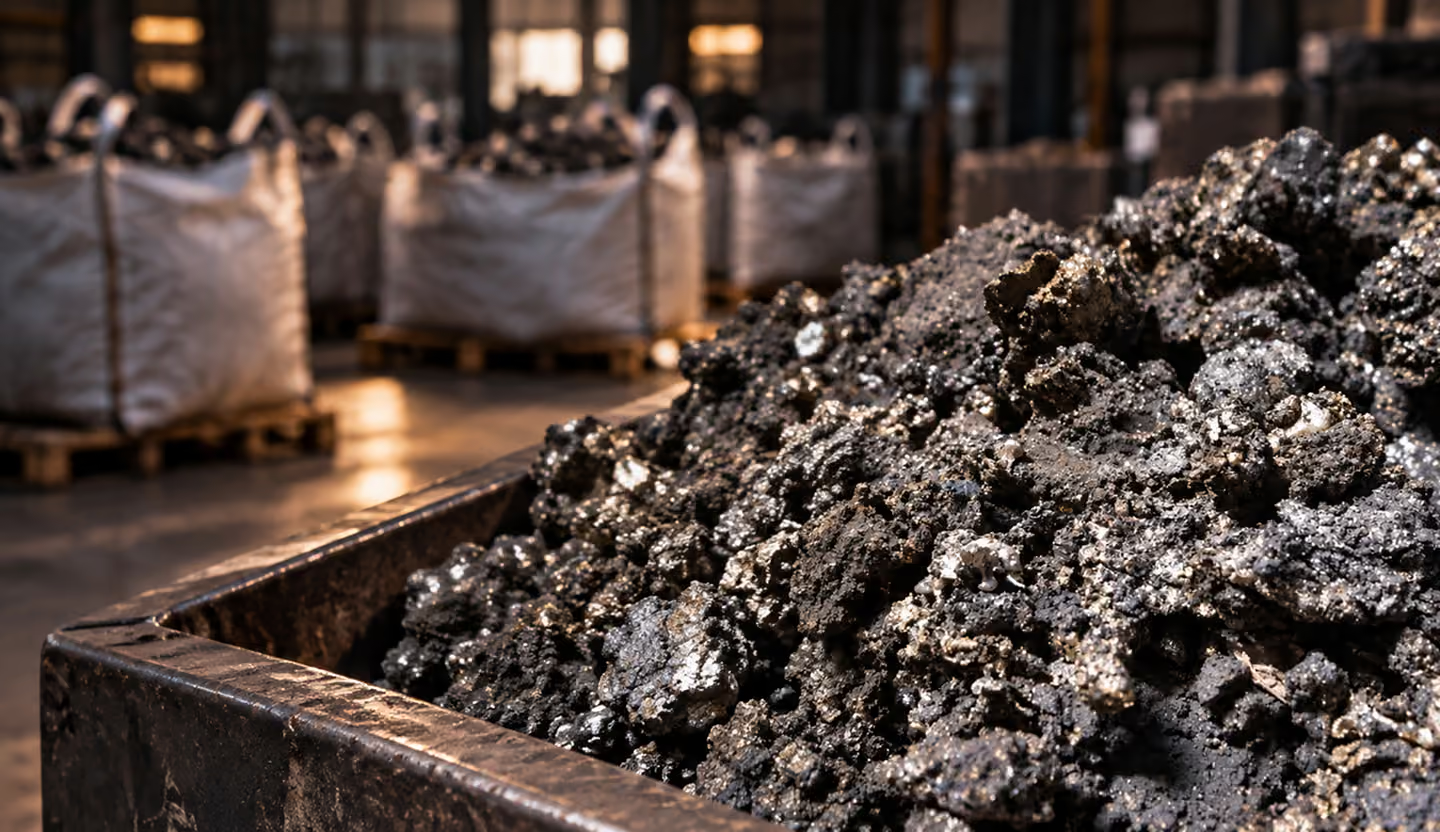
Plating sludge, tin oxide and filter residues
HOW minor metals are PRICED
Oryx Metals makes scrap recycling easy and profitable
Highest value
Clean, high-purity solids
Uncontaminated pieces, offcuts, ingots and production rejects
Mid-Range
Coated or alloyed scrap
Coated parts, alloys, turnings and mixed solids
Priced on content
Powders, sludges & residues
Value depends on metal %, contamination and moisture
Get pricing for your metal
A photo and an analysis is all we need to start. A metals specialist replies within 24 hours.
01
Send us the material
02
we evaluate it
03
you receive an offer
04
we handle the execution
Prefer chat?
Turbine Parts for Mutilation
Tungsten Recycling
Germanium Recycling
Gallium Recycling
Indium Recycling
Hafnium Recycling
Rhenium Recycling
Tantalum Recycling
Niobium Recycling
Tin Recycling
Molybdenum Recycling
Vanadium Recycling
Zirconium Recycling
Tungsten Carbide Scrap
Nickel Alloys
Cobalt Alloys
Titanium Alloys
High Speed Steel
Jet Engine & Turbine Blade Scrap
Rare Earth & Magnet Scrap
Battery Black Mass
Tungsten Catalyst
Molybdenum Catalyst
Copper Catalyst
Vanadium Catalyst
Mixed-Metal Catalyst
Precious Metal (PGM) Catalyst
Gold (Au)
Silver (Ag)
Platinum (Pt)
Palladium (Pd)
Rhodium (Rh)
Iridium (Ir)
Ruthenium (Ru)
Metal-Bearing Sludges
Mixed Metal Residues
Filter Cakes
Sweeps
Dusts
Fines
Slags
Tantalum & Niobium (ores)
Tungsten (ores)
Tin (ores)
Titanium (ores)
Rare Earth (ores)
MATERIAL WE’ve BOUGHT
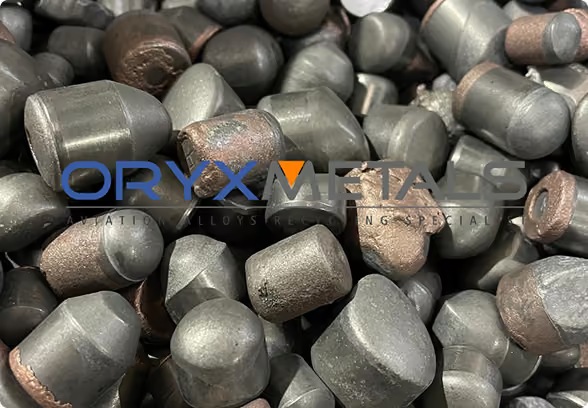
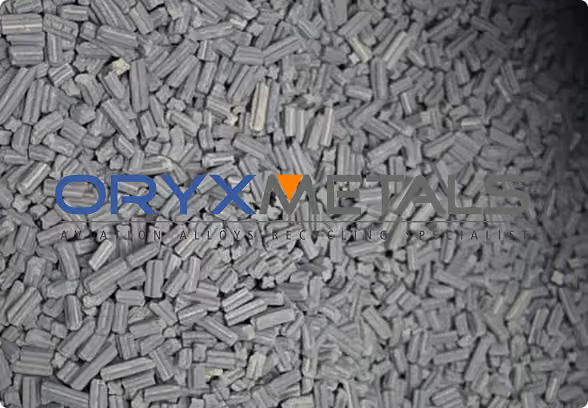
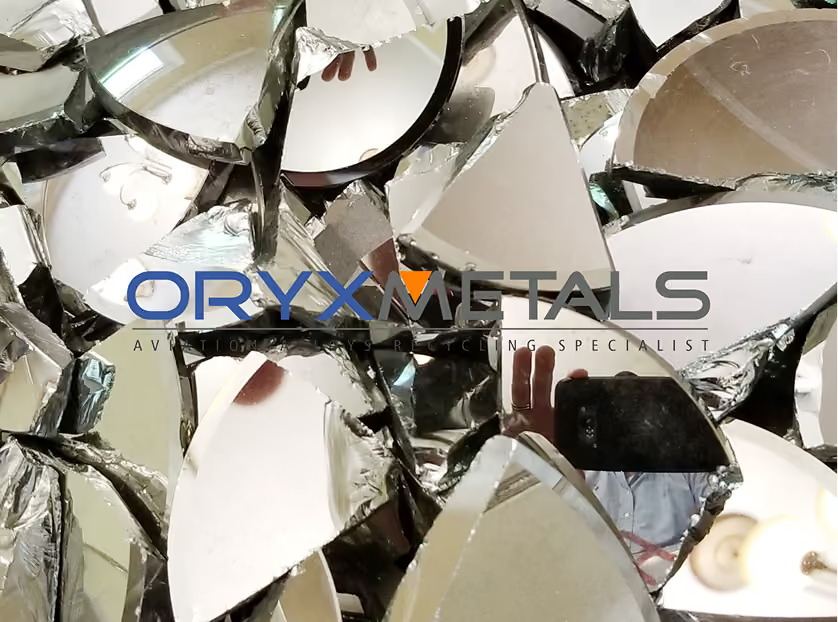
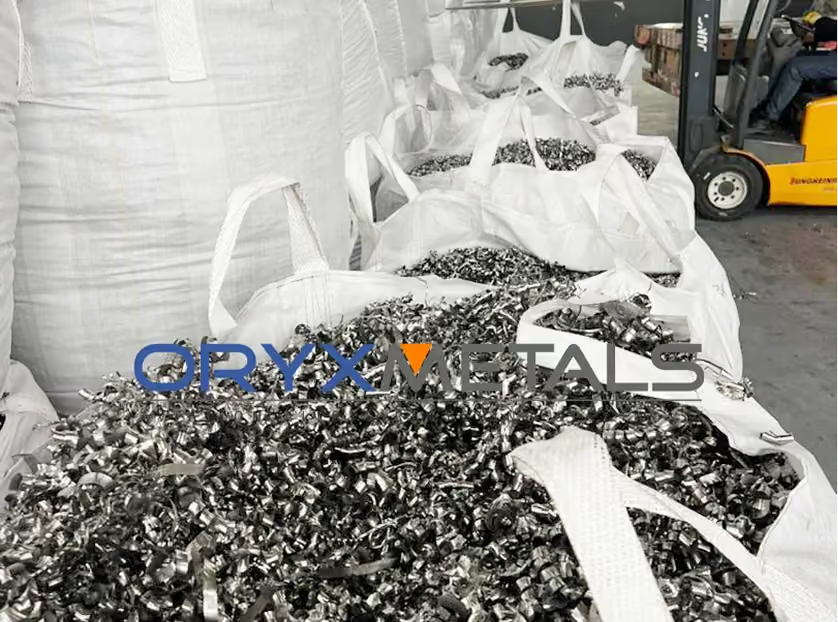
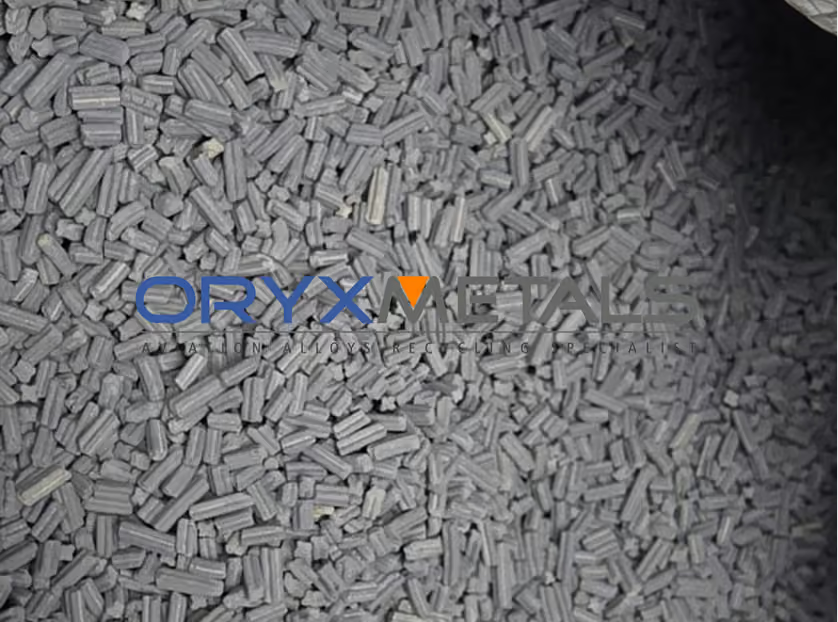
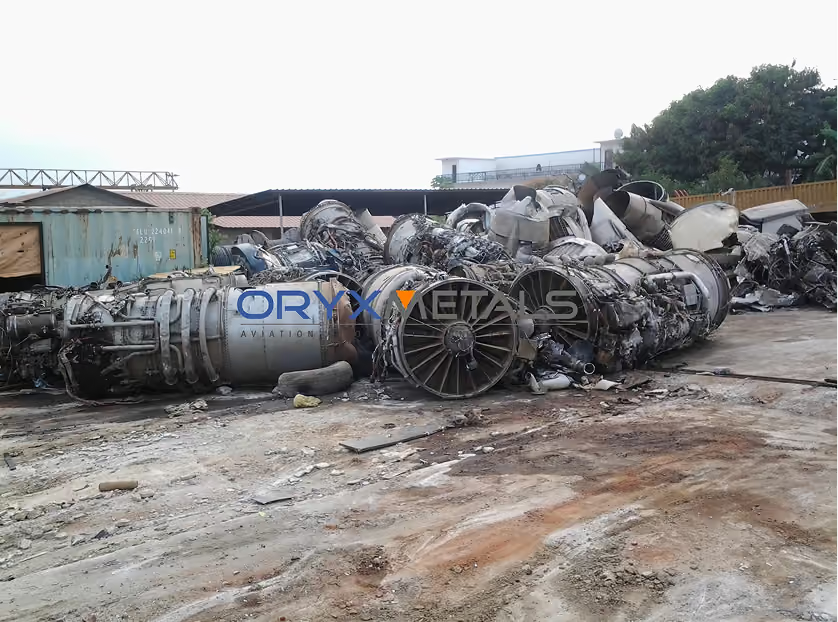
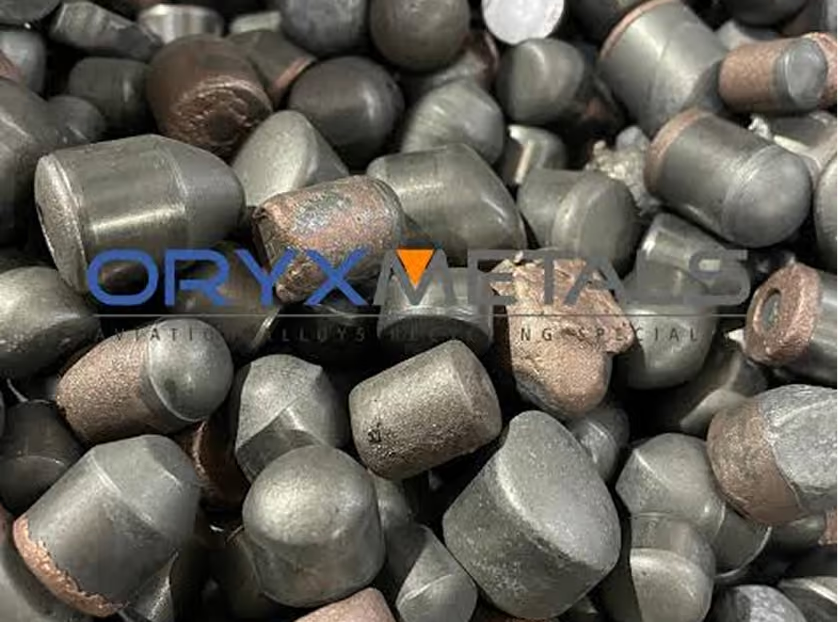
Does your material look like this?
FAQs
Tin recycling FAQ for solder and tin scrap sellers
What tin scrap can I send for tin recycling?
Solder bars and ingots (lead-free or tin-lead), solder wire, solder paste, spent tin anodes, pewter and babbitt, tin-rich bronze, and tin-bearing residues such as plating sludge and tin oxide. Solder dross and tin slags have their own page under Industrial Residues.
Do you buy both lead-free and tin-lead solder scrap?
Yes. Keep them separate if possible. Lead-free solders often contain silver and copper, which adds value, while tin-lead is valued mainly on tin. Mixed lots are priced on the analysis.
How is the tin scrap price worked out?
From the tin content, any silver or other valuable elements, the form, and contamination such as flux, lead or iron, against the tin market on the day. Clean solder bars earn more than paste or residues. Oryx makes a written offer on each lot’s analysis.
Is expired solder paste worth anything?
Yes. Paste is mostly metal powder by weight, so expired and surplus jars and cartridges carry real tin and sometimes silver value. Keep the containers closed and send us the product type and quantity.
Do you work with electronics manufacturers that produce tin scrap regularly?
Yes. Many tin scrap sellers are EMS and electronics plants with a steady monthly flow. We can agree regular collections and a pricing basis so you do not need to request a new quote for every load.
Why choose Oryx Metals as your tin scrap buyer?
Oryx Metals separates tin scrap by type and grade, so silver-bearing lead-free solder is not paid like tin-lead and clean bars are not averaged with residues. We work directly with tin refiners and take the same care with a single drum as with a regular contract.