Get Pricing
Scrapped aerospace parts have to stay scrapped
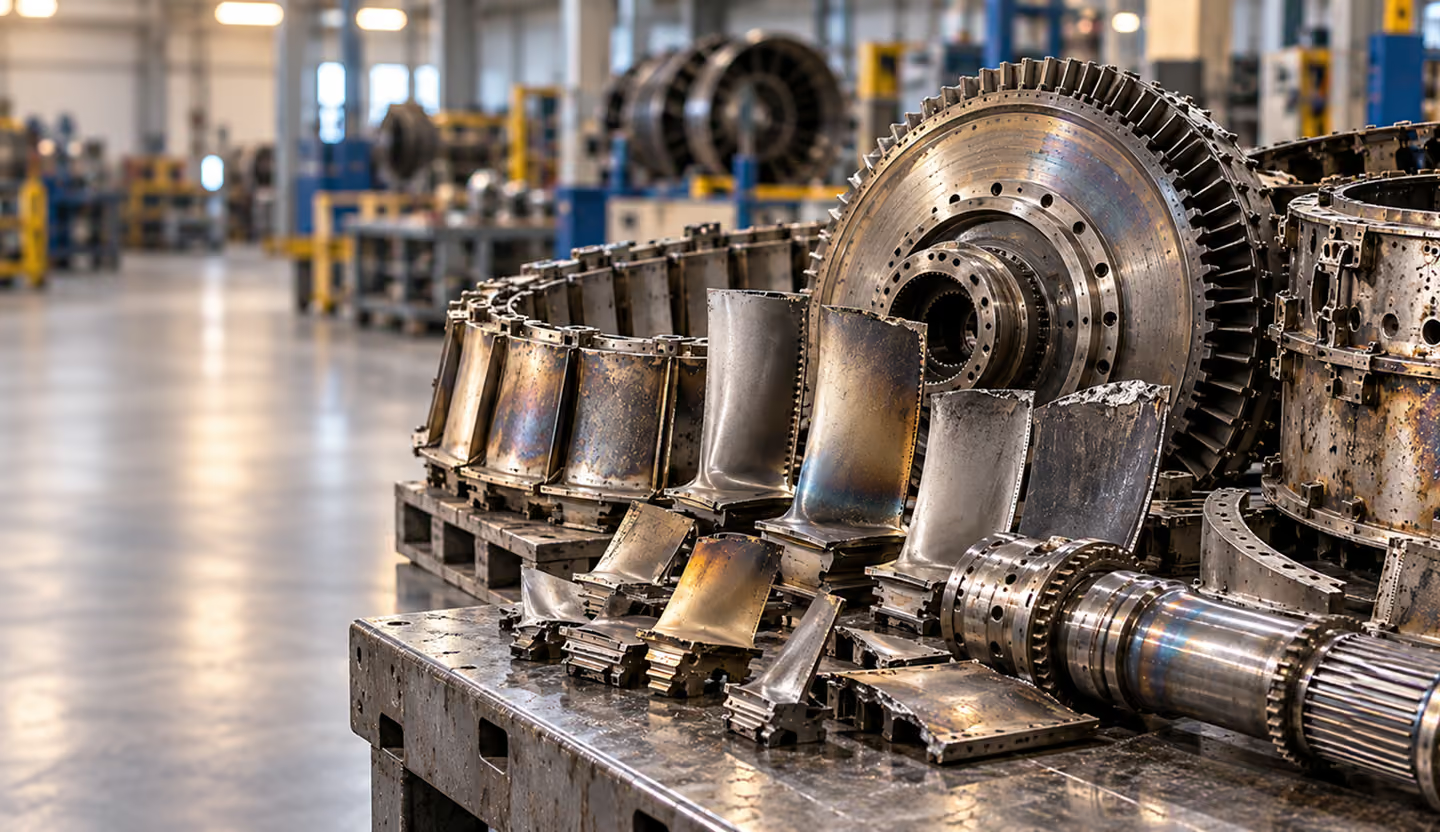
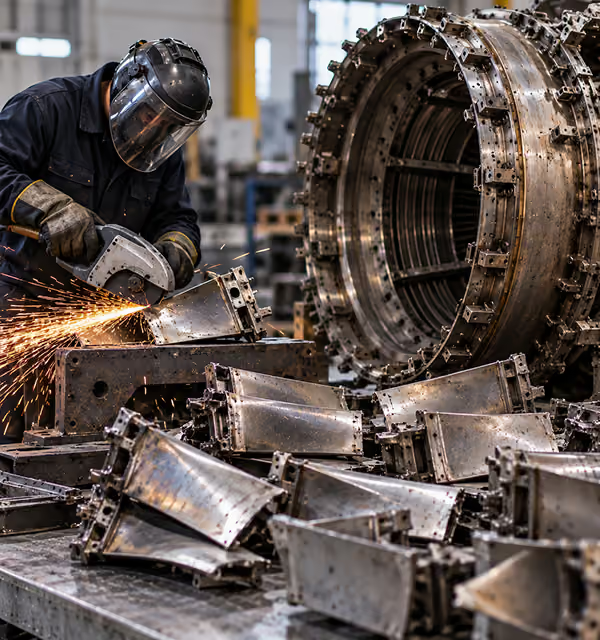
When an engine part reaches the end of its life, fails inspection or is beyond economical repair, the owner has to make sure it can never be passed off as airworthy again. Unmutilated parts can leak into the secondary market with forged paperwork, and if one ends up in an aircraft, the liability trail leads back to the original owner. Mutilation destroys the part physically, and documented destruction lets the alloy go back into the supply chain as scrap.
FORMS WE BUY
Turbine and engine parts we mutilate and recycle
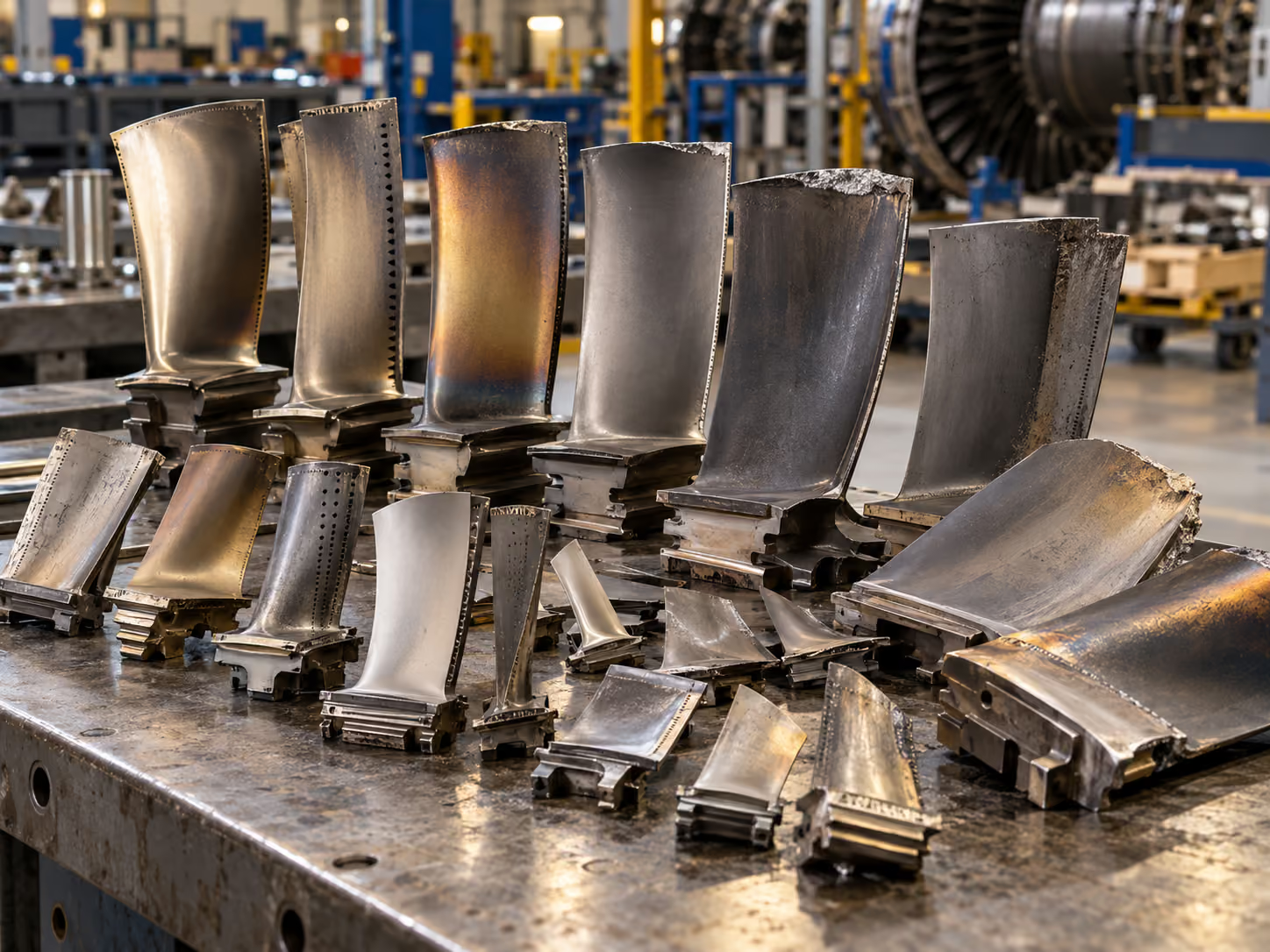
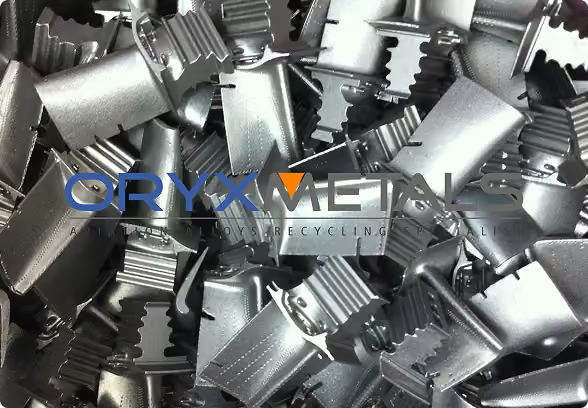
Turbine blades
HPT and LPT blades, single-crystal and equiaxed
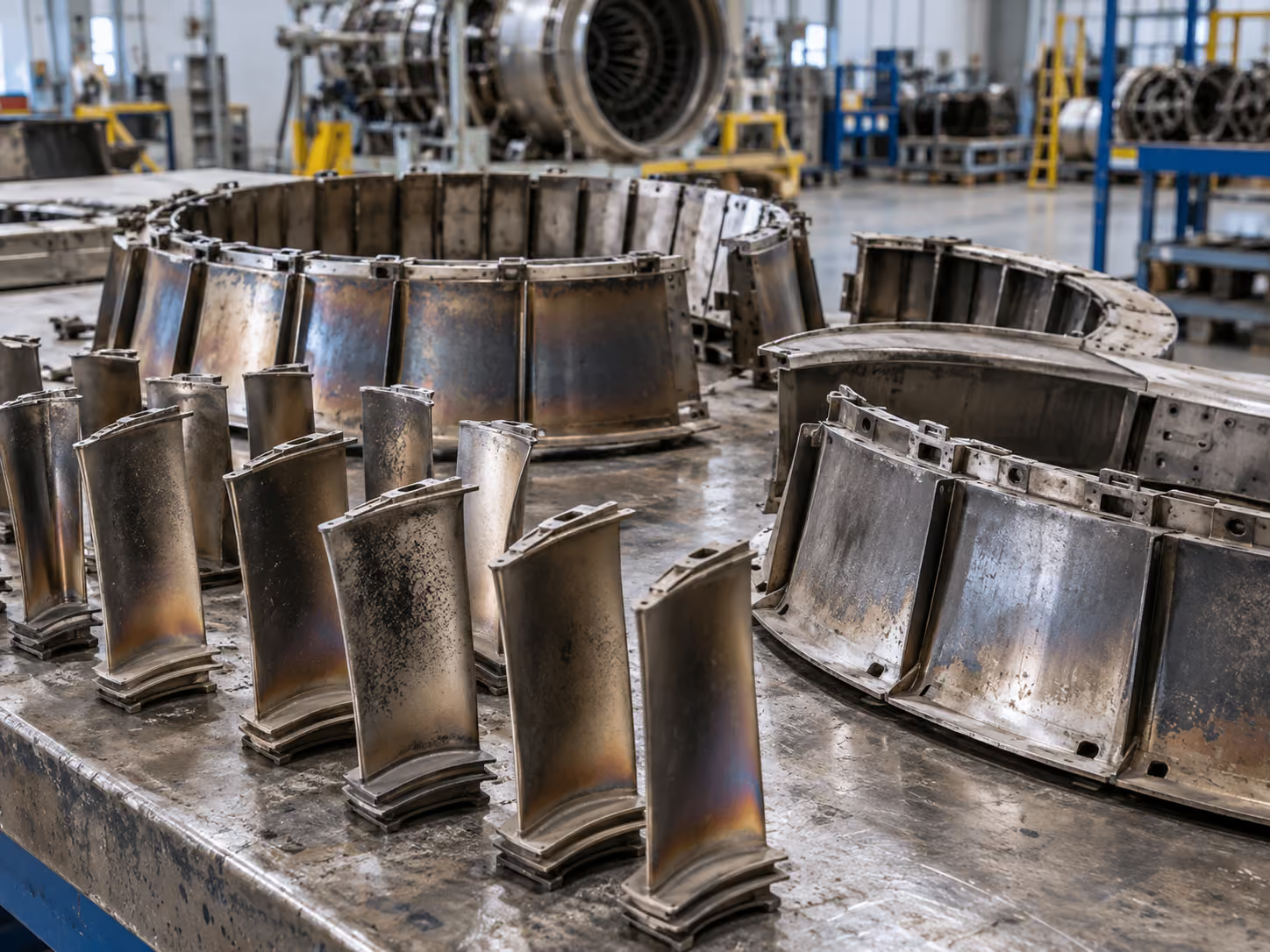
Vanes and nozzle segments
Nozzle guide vanes, segments and shrouds
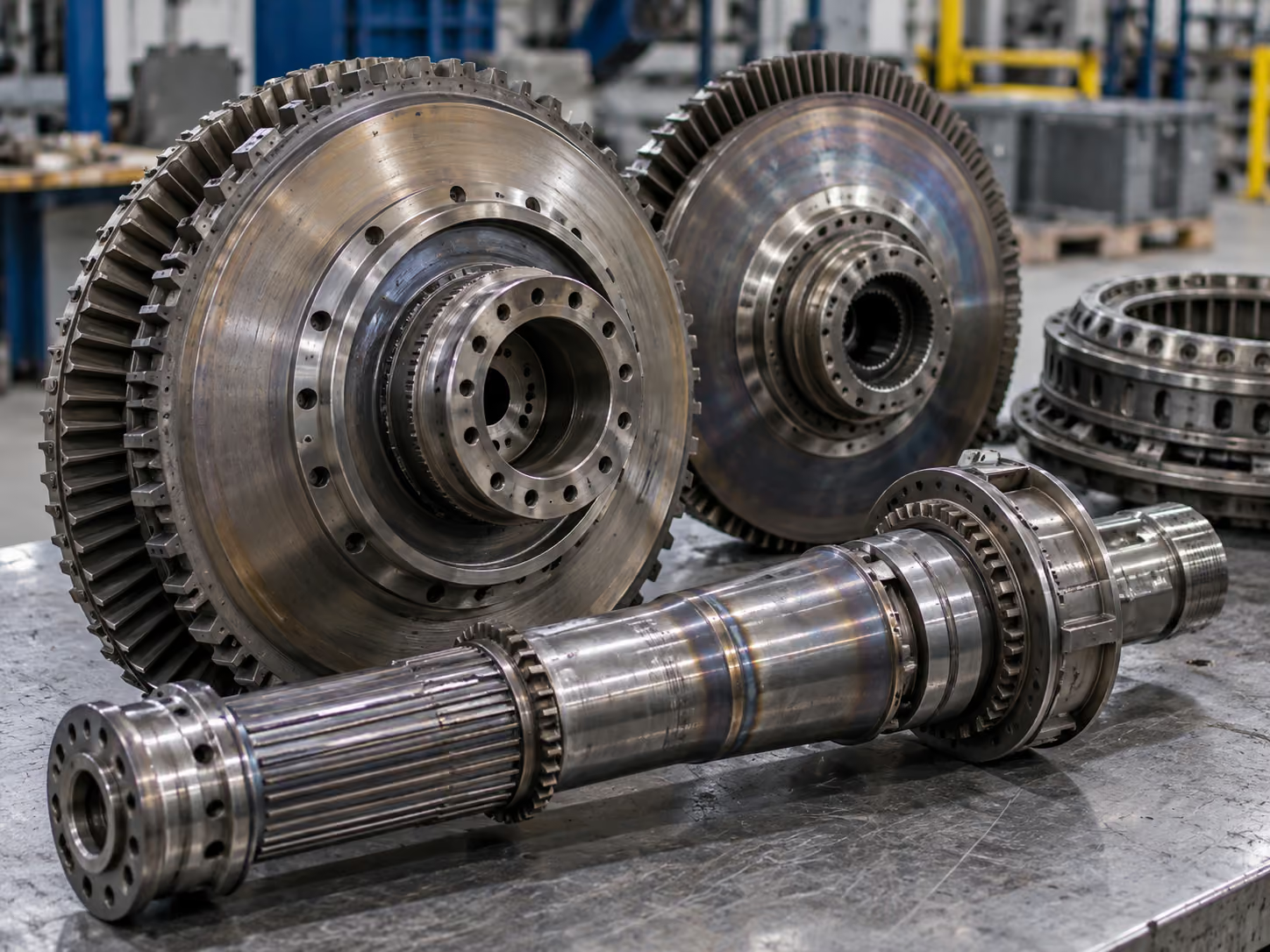
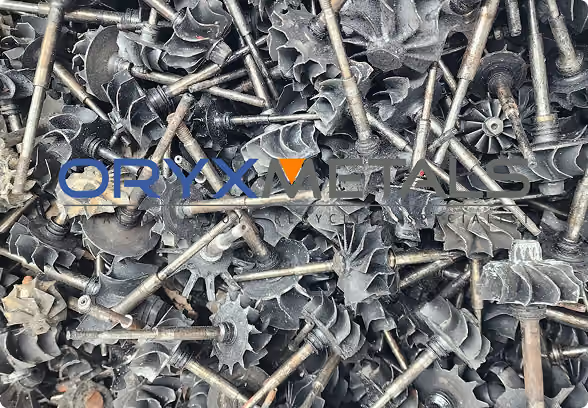
Discs and shafts
Life-limited discs, shafts and rotating parts
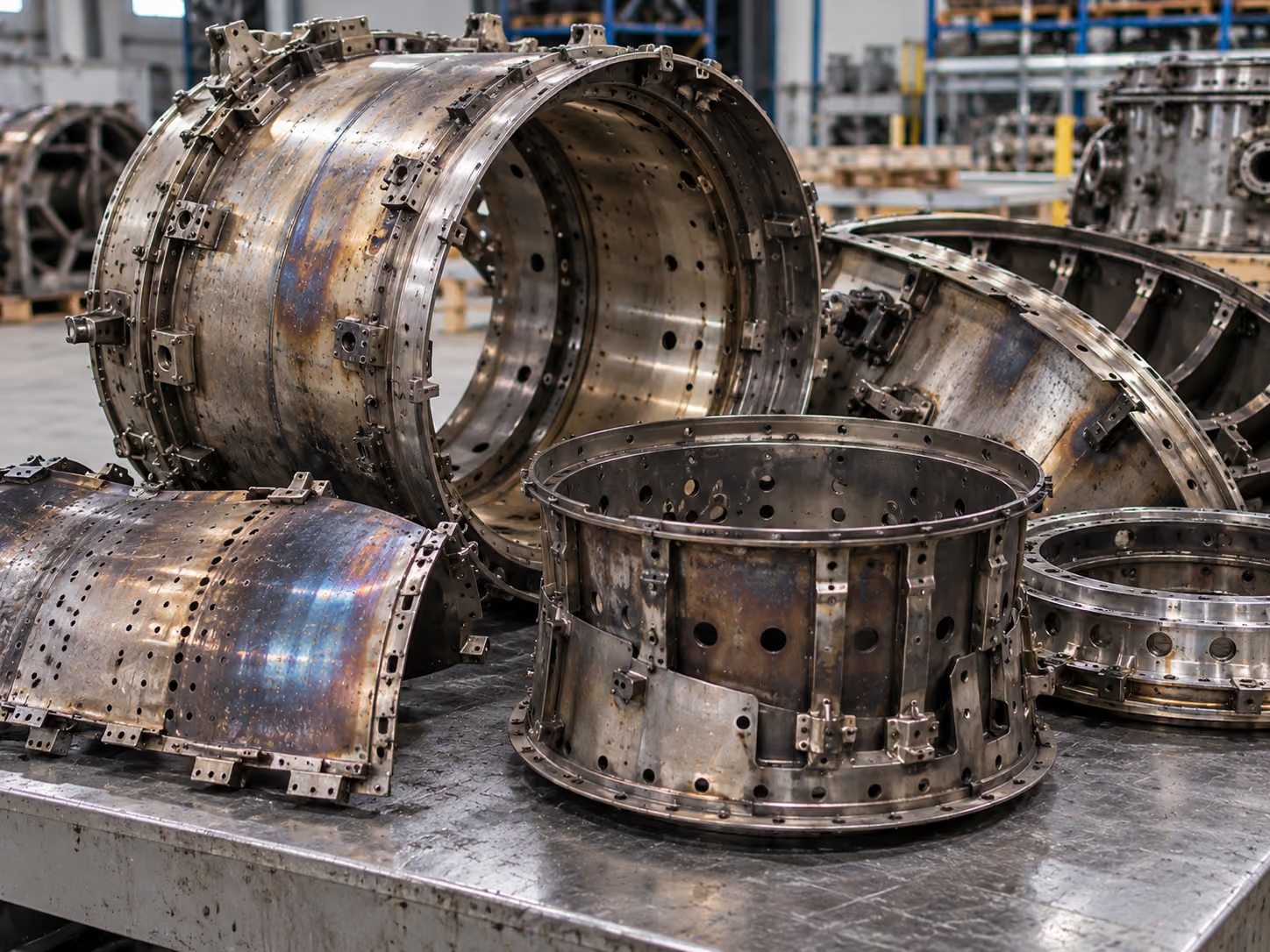
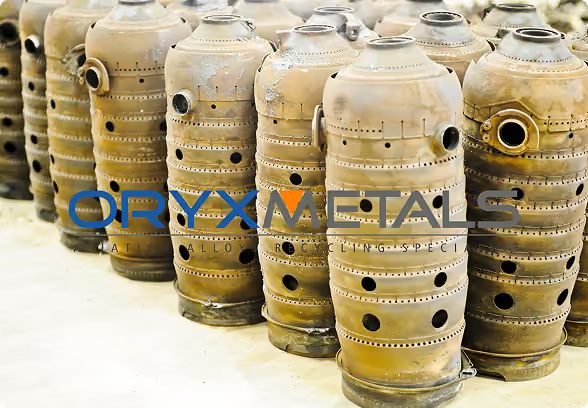
Combustor and case parts
Liners, cases, rings and hot section hardware
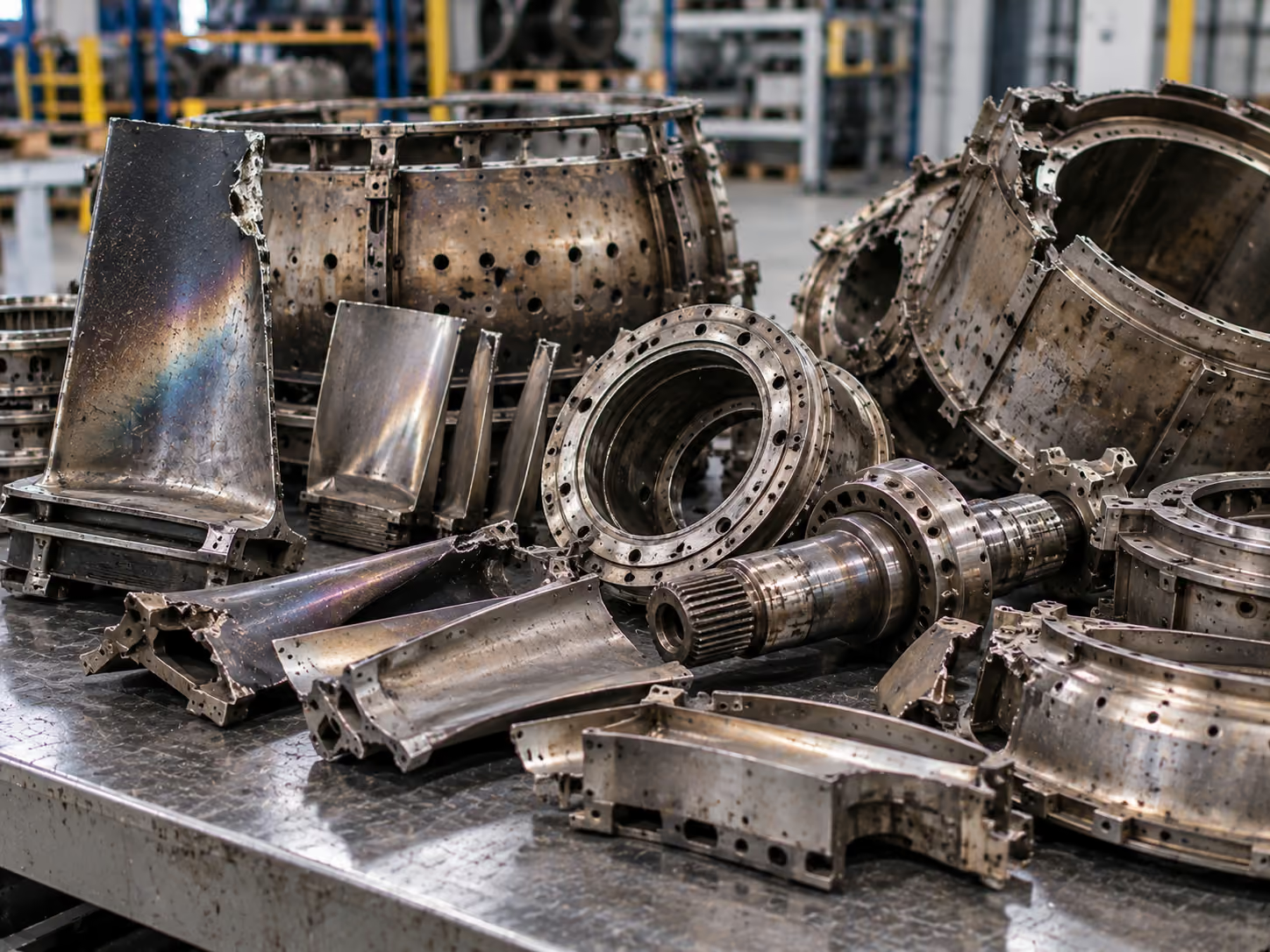
Rejected and BER parts
Parts that failed inspection or are beyond repair
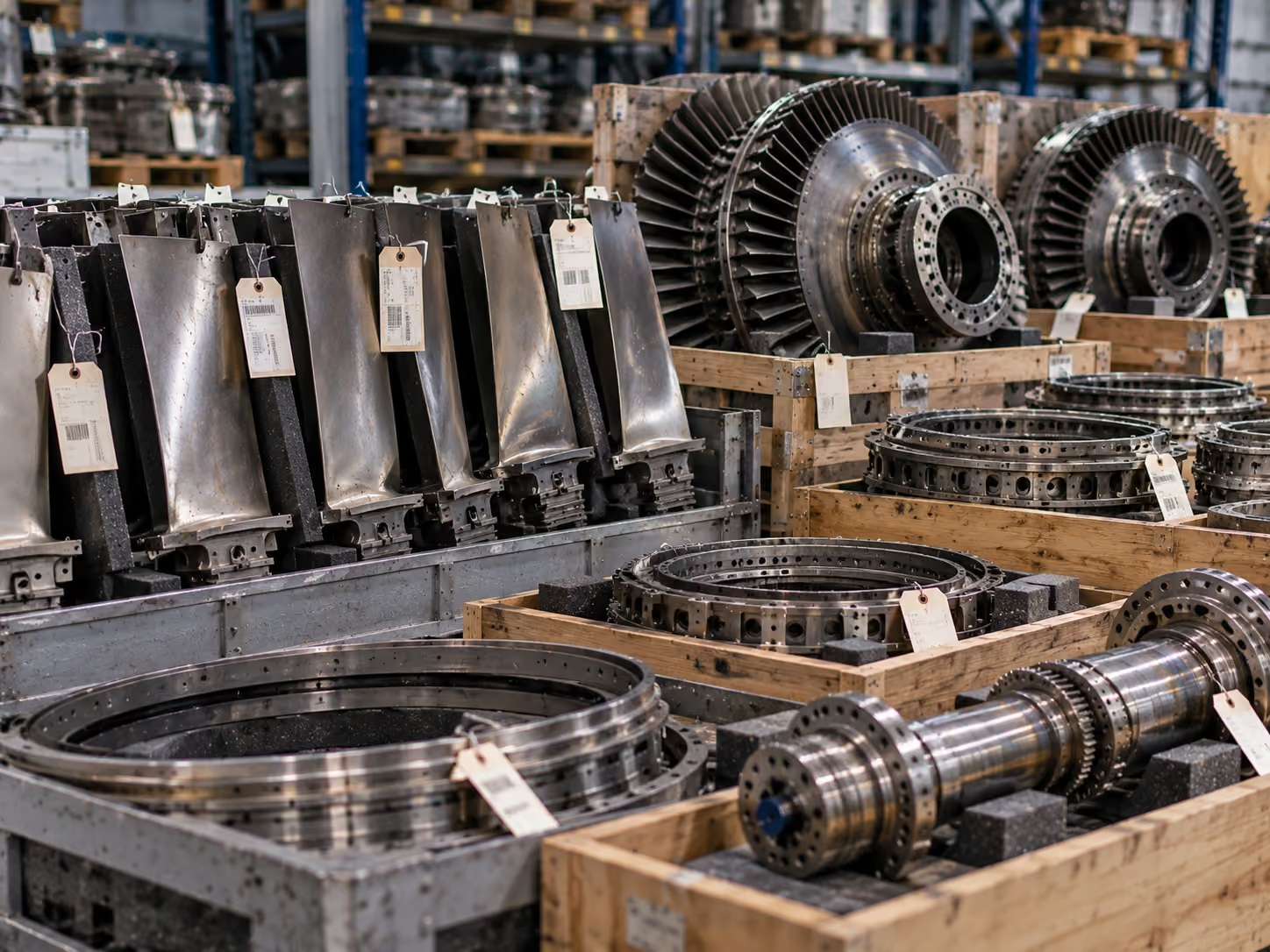
Expired and surplus inventory
Time-expired parts and obsolete engine stock
HOW minor metals are PRICED
Oryx Metals makes scrap recycling easy and profitable
Highest value
Clean, high-purity solids
Uncontaminated pieces, offcuts, ingots and production rejects
Mid-Range
Coated or alloyed scrap
Coated parts, alloys, turnings and mixed solids
Priced on content
Powders, sludges & residues
Value depends on metal %, contamination and moisture
Get pricing for your metal
A photo and an analysis is all we need to start. A metals specialist replies within 24 hours.
01
Send us the material
02
we evaluate it
03
you receive an offer
04
we handle the execution
Prefer chat?
Turbine Parts for Mutilation
Tungsten Recycling
Germanium Recycling
Gallium Recycling
Indium Recycling
Hafnium Recycling
Rhenium Recycling
Tantalum Recycling
Niobium Recycling
Tin Recycling
Molybdenum Recycling
Vanadium Recycling
Zirconium Recycling
Tungsten Carbide Scrap
Nickel Alloys
Cobalt Alloys
Titanium Alloys
High Speed Steel
Jet Engine & Turbine Blade Scrap
Rare Earth & Magnet Scrap
Battery Black Mass
Tungsten Catalyst
Molybdenum Catalyst
Copper Catalyst
Vanadium Catalyst
Mixed-Metal Catalyst
Precious Metal (PGM) Catalyst
Gold (Au)
Silver (Ag)
Platinum (Pt)
Palladium (Pd)
Rhodium (Rh)
Iridium (Ir)
Ruthenium (Ru)
Metal-Bearing Sludges
Mixed Metal Residues
Filter Cakes
Sweeps
Dusts
Fines
Slags
Tantalum & Niobium (ores)
Tungsten (ores)
Tin (ores)
Titanium (ores)
Rare Earth (ores)
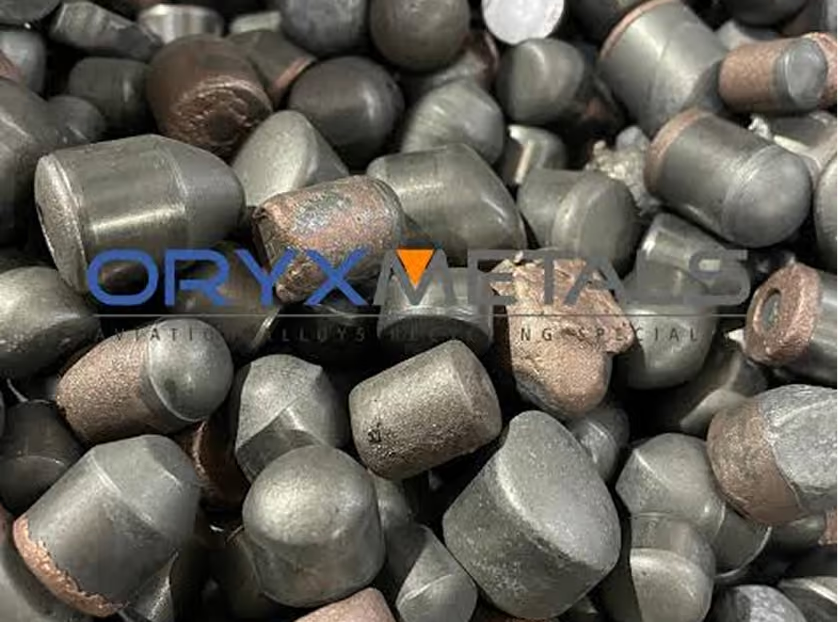
MATERIAL WE’ve BOUGHT
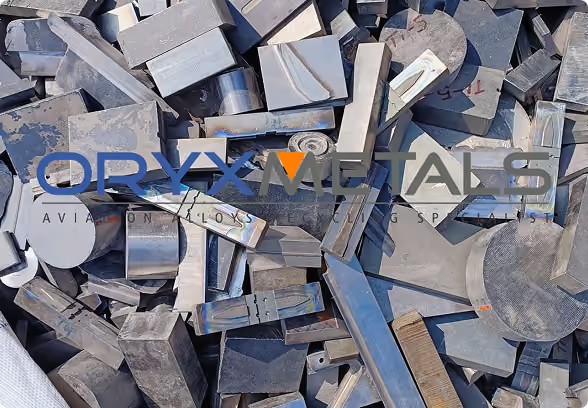
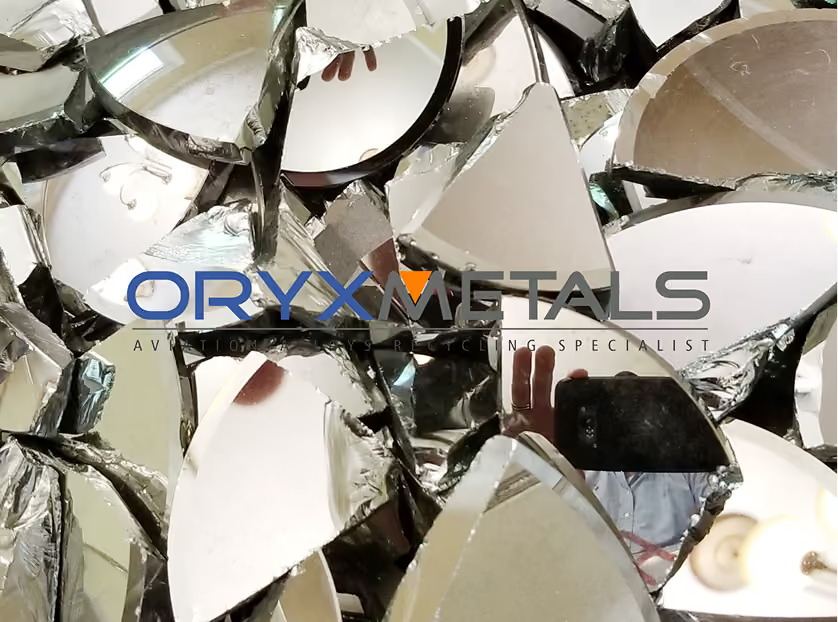
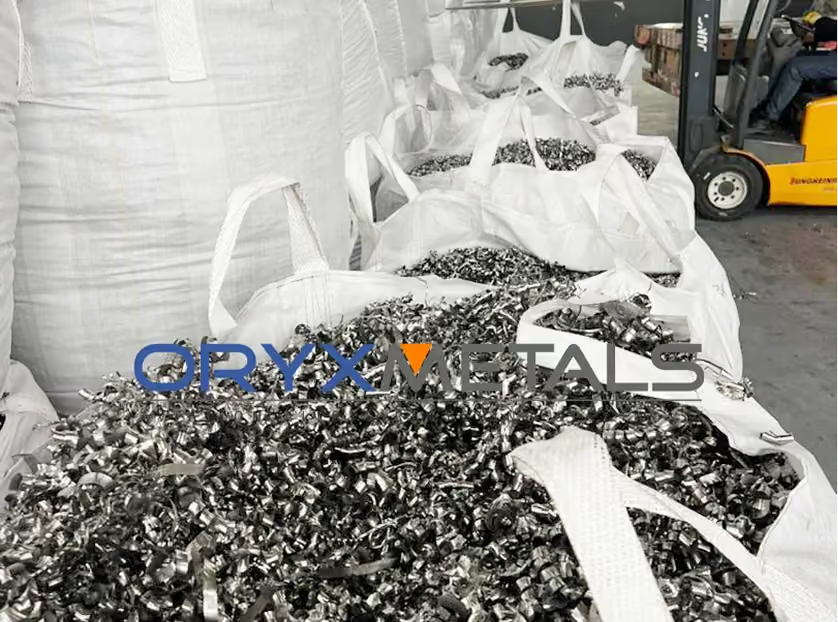
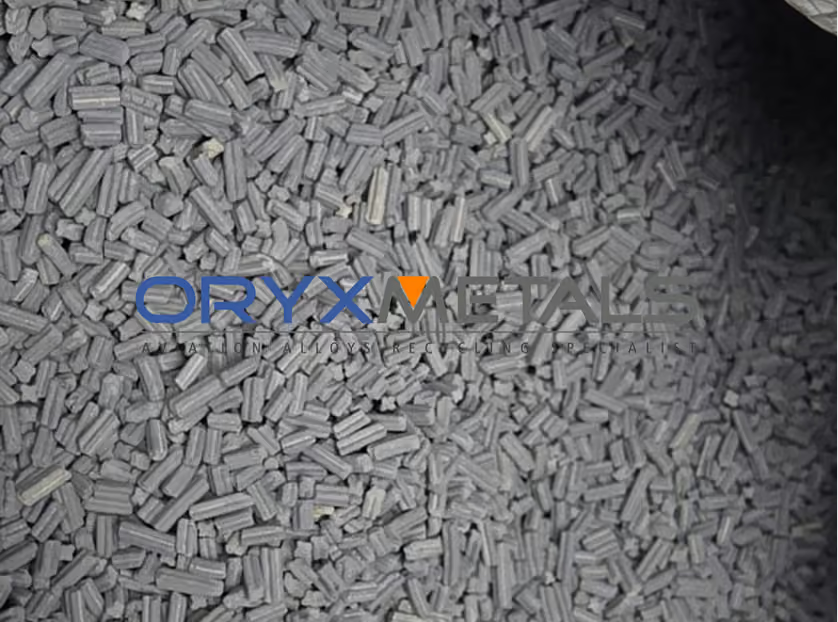
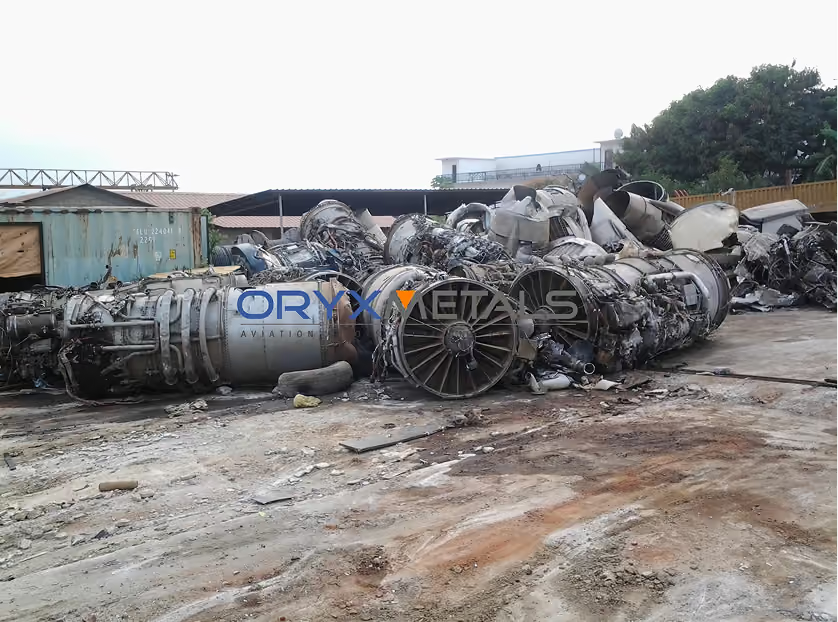
Does your material look like this?
FAQs
Aircraft parts mutilation: what MROs, airlines and lessors ask
What is aircraft parts mutilation and why is it required?
Aircraft parts mutilation is the physical destruction of a scrapped part so it can never be repaired, re-certified or sold as serviceable. Aviation authorities expect owners to control unsalvageable parts, because a scrapped part that re-enters the market with false paperwork is a safety risk and a liability for whoever last owned it.
Which turbine parts need to be mutilated?
Any part that is unsalvageable: time-expired life-limited parts, parts that failed inspection, parts beyond economical repair, and parts with missing or unclear traceability. That usually means turbine blades, vanes, discs, shafts, combustor parts and cases, but we mutilate whatever your procedures require.
How are parts mutilated?
Depending on the part’s size and your requirements, we cut, notch or gouge it with plasma or arc air equipment, oxy-acetylene torches or a chop saw. The method is chosen so the part is clearly and permanently unserviceable, and every part is photographed or filmed as it is destroyed.
What does the certificate of destruction include?
Each lot, or sorted sub-lot, gets its own certificate of destruction. It lists the parts, with serial numbers where available, the method used and the date, backed by photo or video evidence. We keep the records for at least four years so you can answer an audit or customer query long after the parts are gone.
Can mutilation be done at our site, outside the US?
Yes. We can mutilate parts on site at your facility anywhere in the world, so unmutilated parts never leave your control. Alternatively, parts can be shipped securely to our facility, where they are kept under 24/7 video surveillance until they are destroyed. The resulting scrap is then sorted by alloy and recycled.
Why use Oryx Metals for turbine parts mutilation?
Most mutilation services stop at destruction, and most scrap buyers don’t want the paperwork. Oryx Metals does both: we destroy the parts under documented, traceable procedures, then sort the superalloy, titanium and cobalt scrap by grade and pay for its metal value. You get one partner, one paper trail and a scrap return instead of a destruction invoice.