Get Pricing
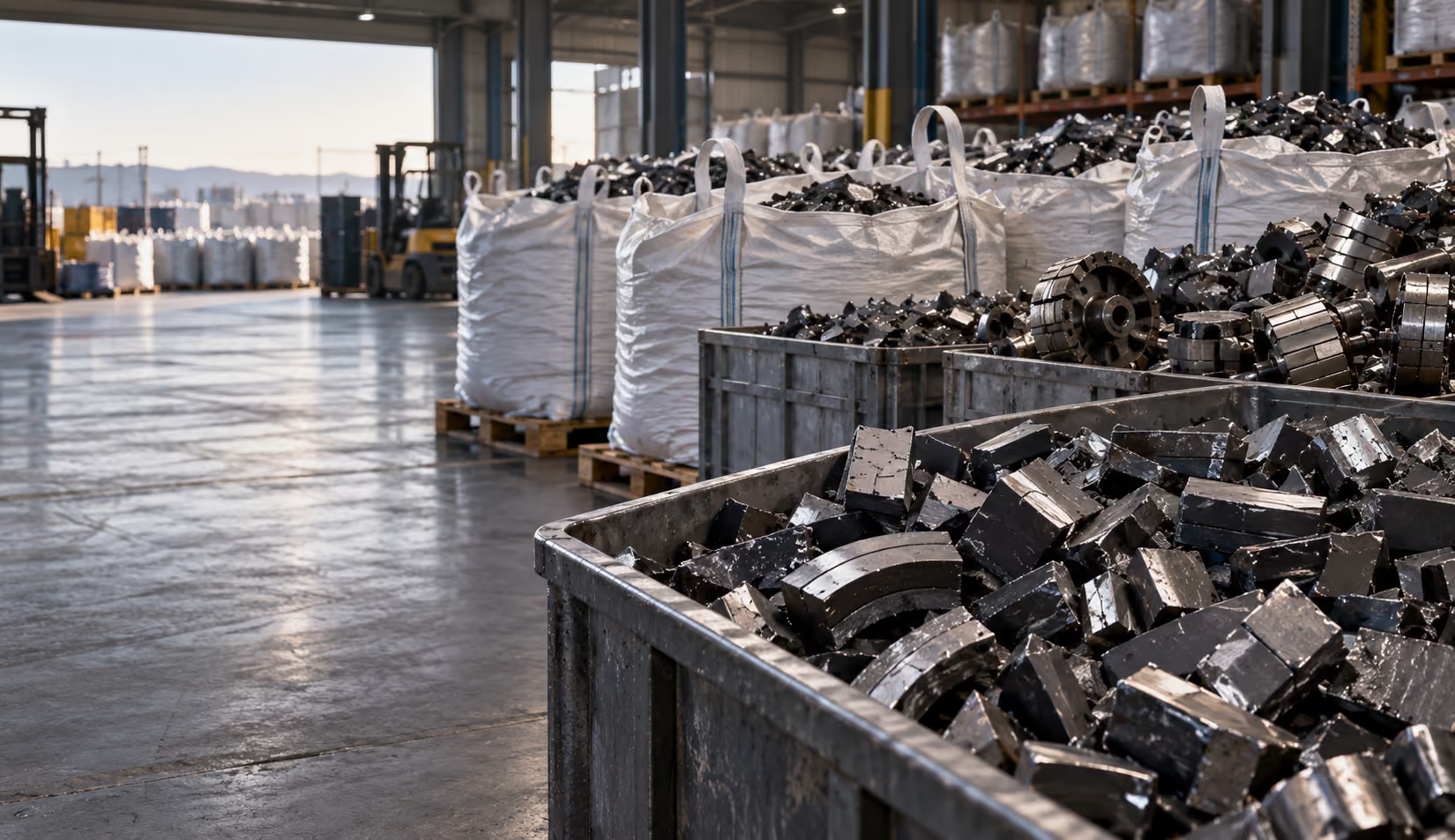
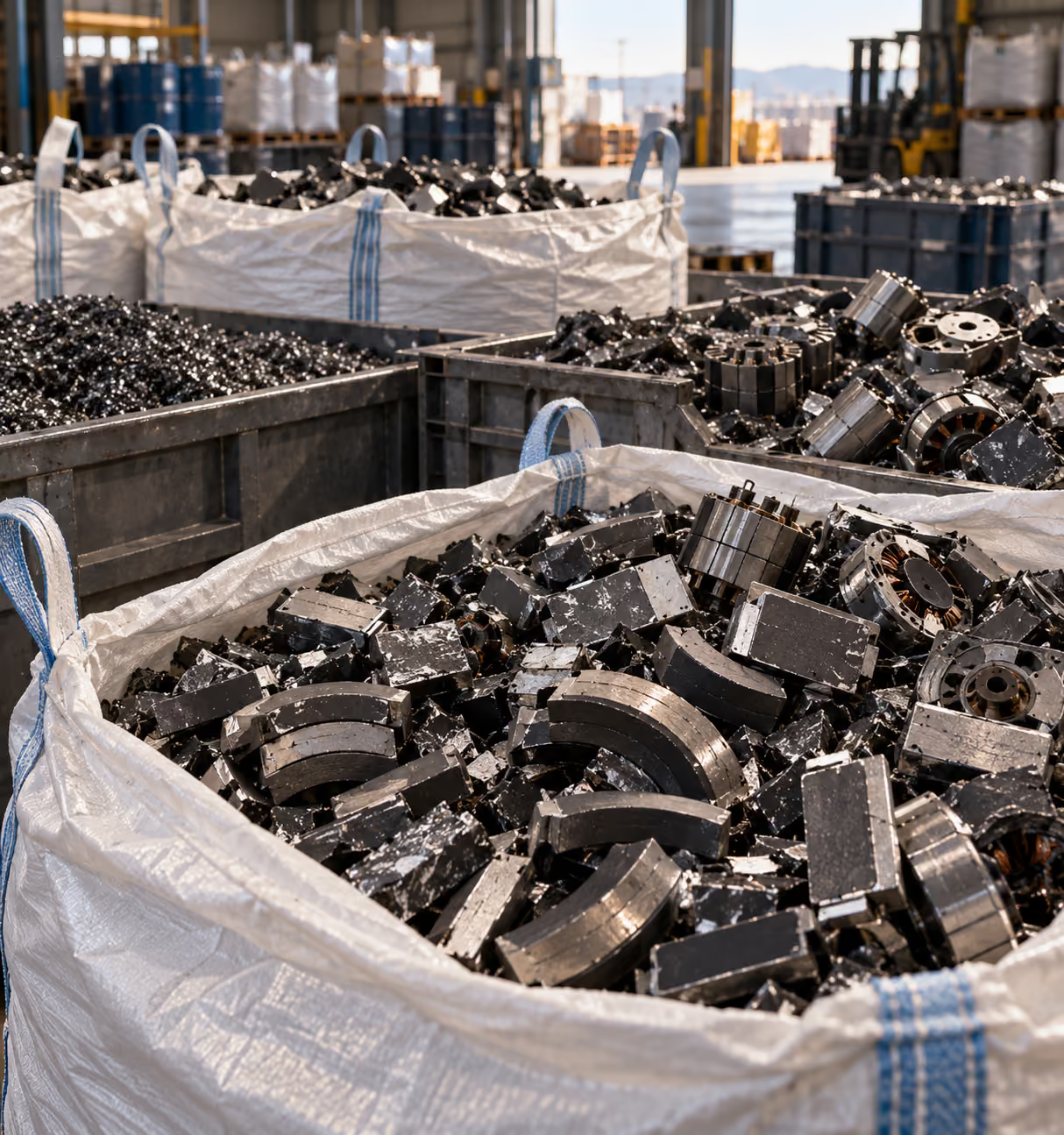
Rare earth recycling starts with magnet scrap
Neodymium-iron-boron and samarium-cobalt magnets drive electric motors, wind turbines, hard disk drives, speakers and sensors. Magnet production loses a large share of material as grinding swarf and rejects, and end-of-life motors and drives contain magnets that can be recovered. Recycling these magnets returns neodymium, praseodymium, dysprosium, terbium and samarium to the supply chain and reduces dependence on a small number of producing countries.
FORMS WE BUY
Rare earth and magnet scrap we buy
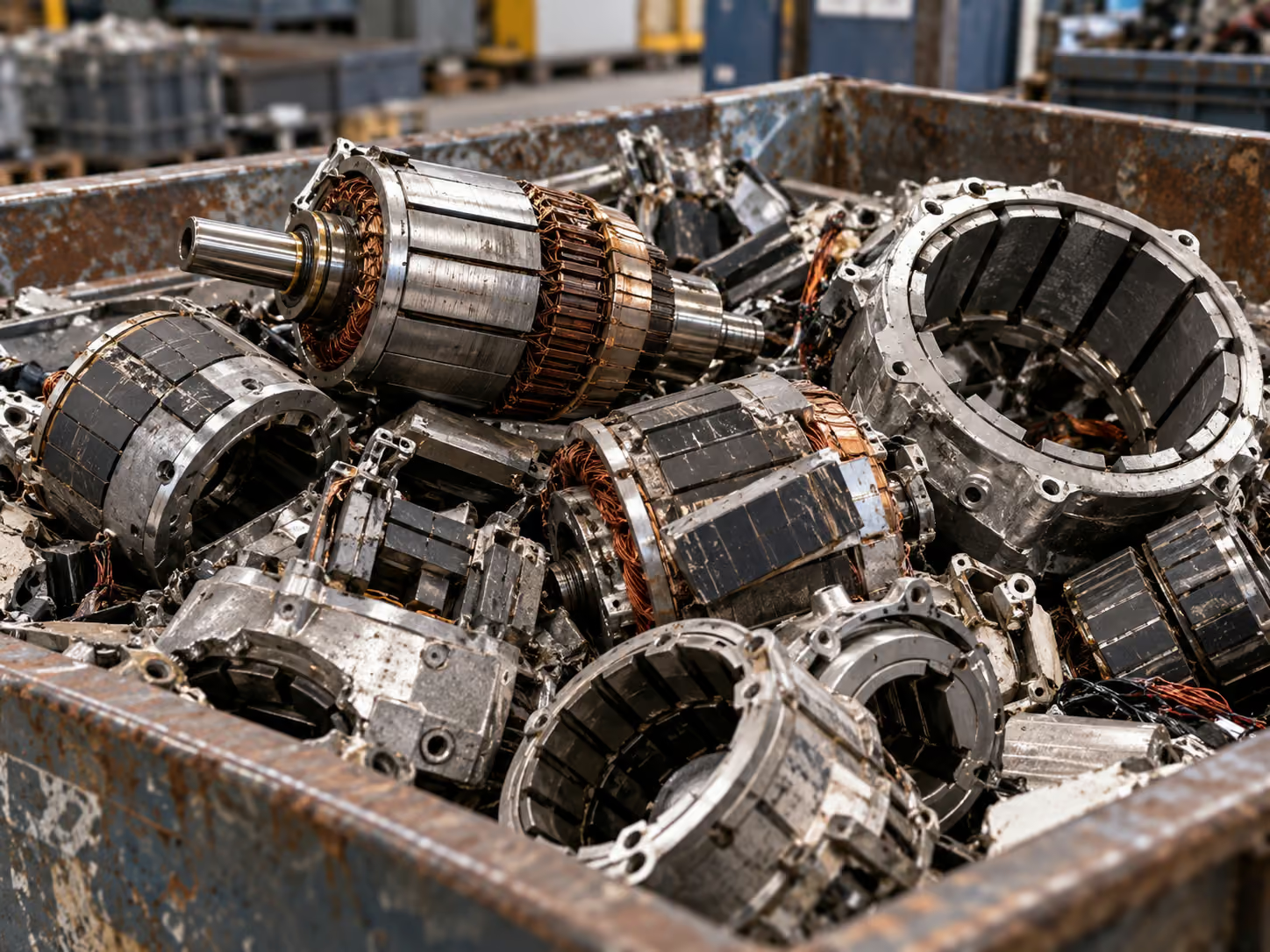
NdFeB magnets
Coated, uncoated, whole or broken neodymium magnets
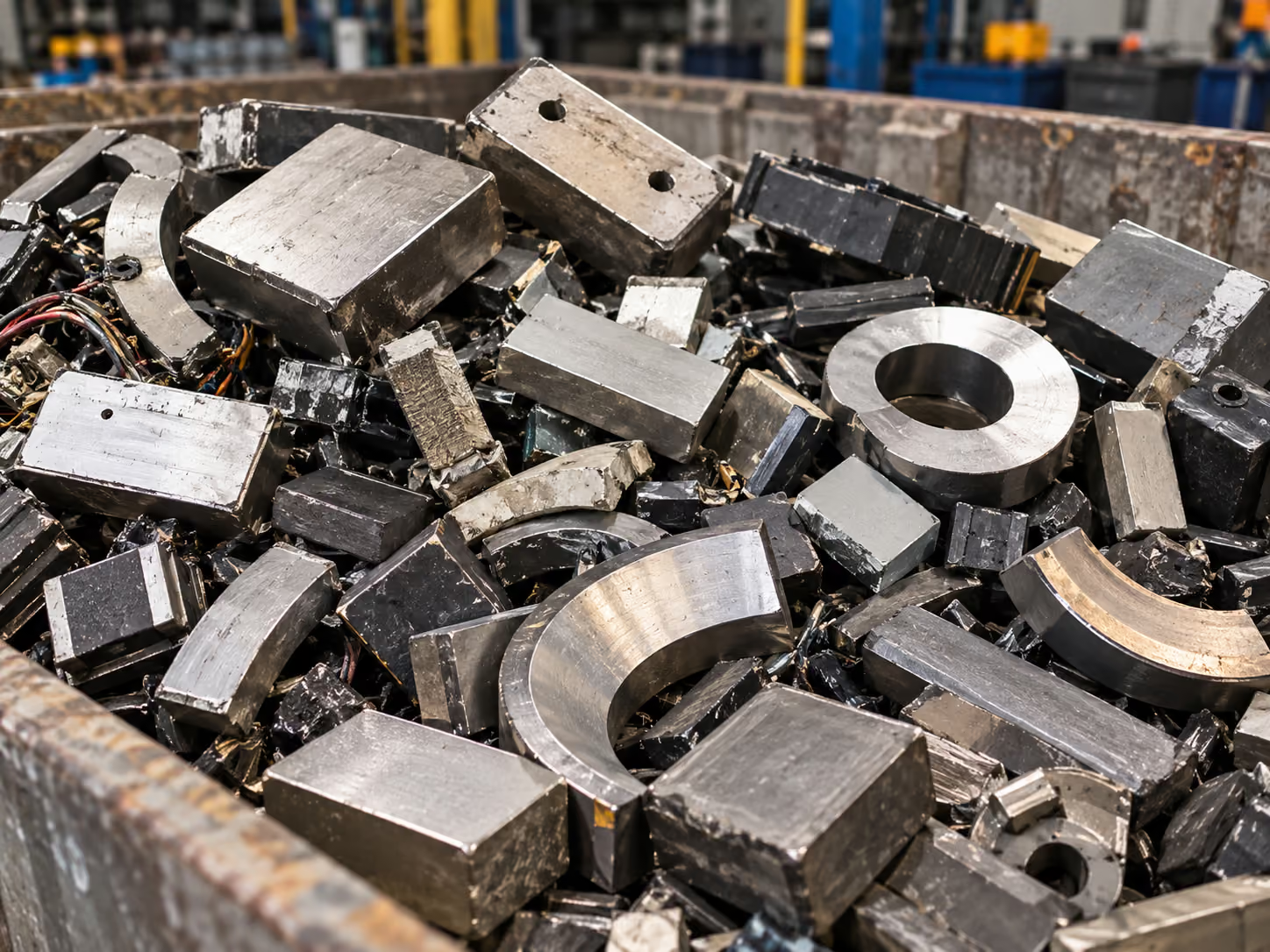
SmCo magnets
Samarium-cobalt magnets and production rejects
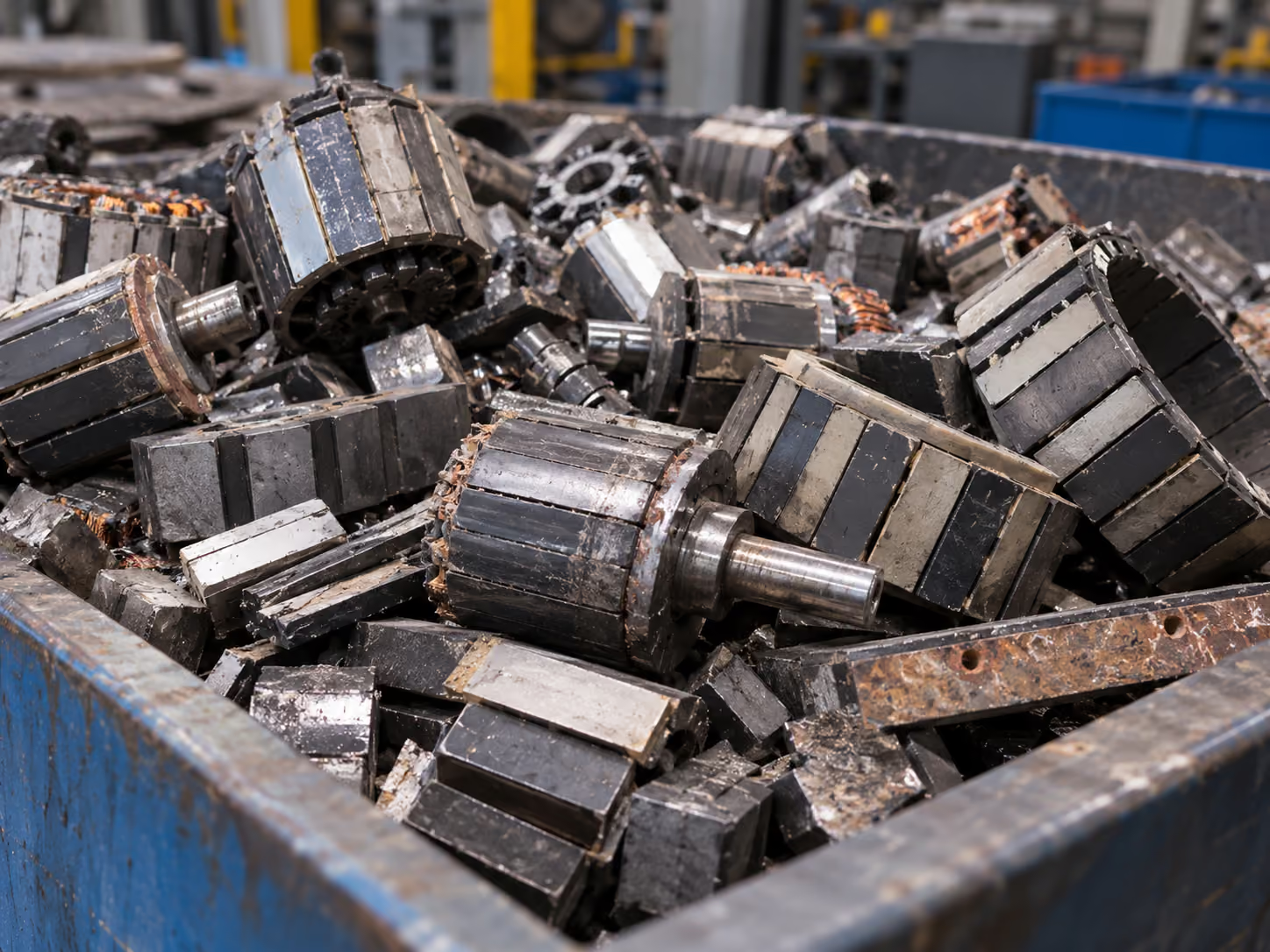
Magnet production swarf
Grinding sludge, swarf and cutting waste
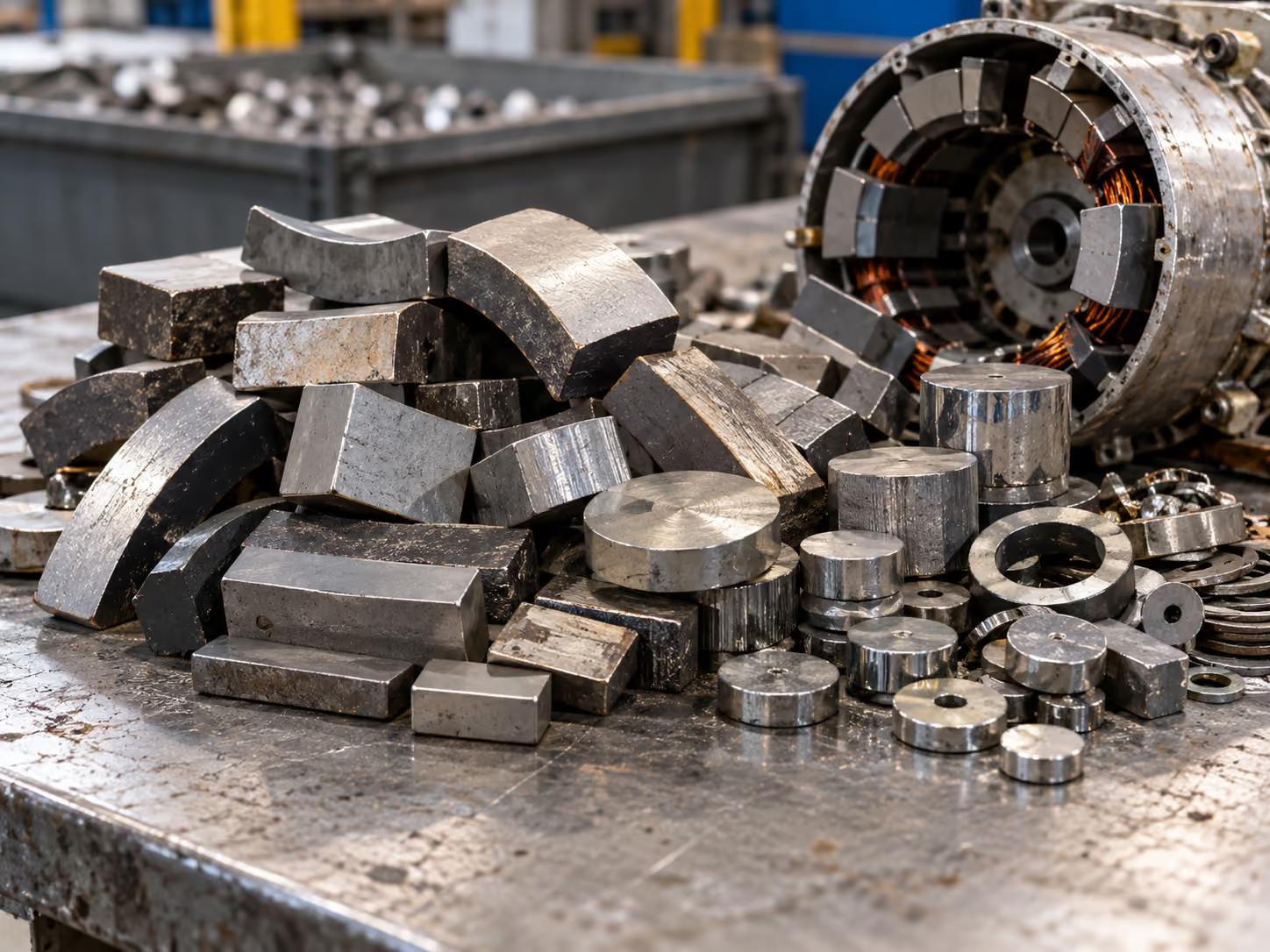
Motor and drive magnets
Magnets removed from motors, rotors and HDDs
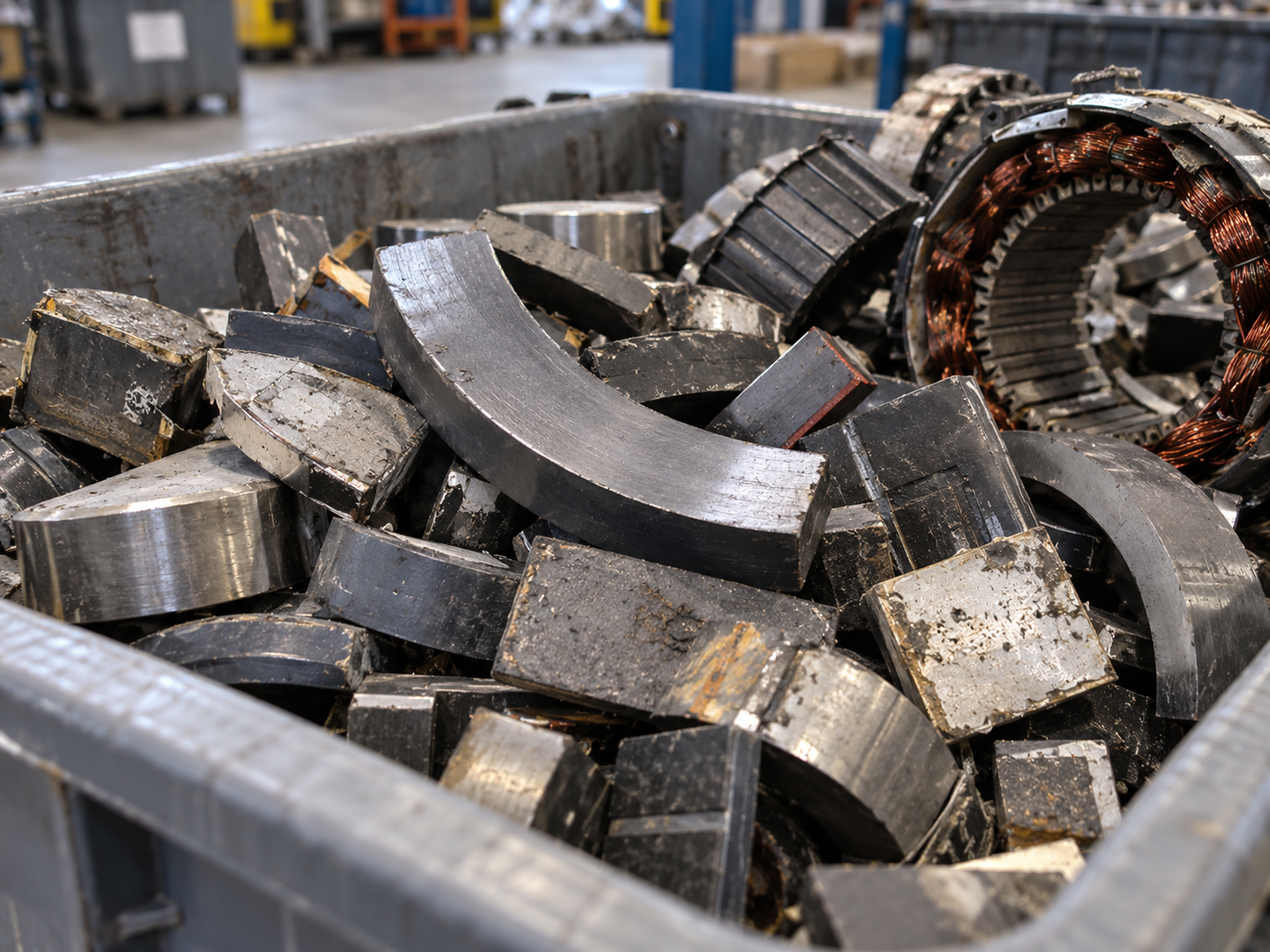
Rare earth alloys
NdPr, DyFe and other rare earth master alloys
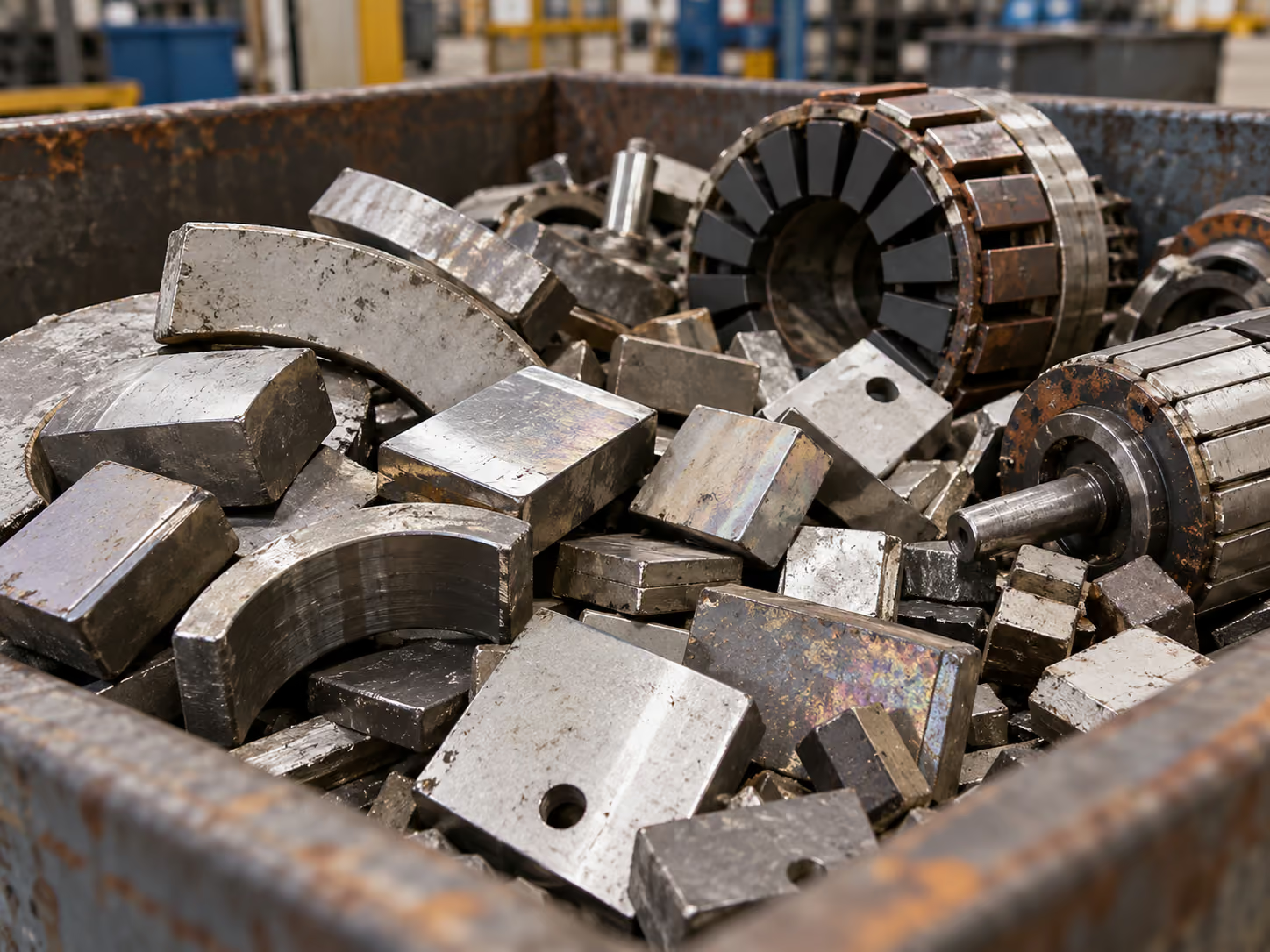
Rare earth residues
Rare earth oxides, slags and process residues
HOW minor metals are PRICED
Oryx Metals makes scrap recycling easy and profitable
Highest value
Clean, high-purity solids
Uncontaminated pieces, offcuts, ingots and production rejects
Mid-Range
Coated or alloyed scrap
Coated parts, alloys, turnings and mixed solids
Priced on content
Powders, sludges & residues
Value depends on metal %, contamination and moisture
Get pricing for your metal
A photo and an analysis is all we need to start. A metals specialist replies within 24 hours.
01
Send us the material
02
we evaluate it
03
you receive an offer
04
we handle the execution
Prefer chat?
Turbine Parts for Mutilation
Tungsten Recycling
Germanium Recycling
Gallium Recycling
Indium Recycling
Hafnium Recycling
Rhenium Recycling
Tantalum Recycling
Niobium Recycling
Tin Recycling
Molybdenum Recycling
Vanadium Recycling
Zirconium Recycling
Tungsten Carbide Scrap
Nickel Alloys
Cobalt Alloys
Titanium Alloys
High Speed Steel
Jet Engine & Turbine Blade Scrap
Rare Earth & Magnet Scrap
Battery Black Mass
Tungsten Catalyst
Molybdenum Catalyst
Copper Catalyst
Vanadium Catalyst
Mixed-Metal Catalyst
Precious Metal (PGM) Catalyst
Gold (Au)
Silver (Ag)
Platinum (Pt)
Palladium (Pd)
Rhodium (Rh)
Iridium (Ir)
Ruthenium (Ru)
Metal-Bearing Sludges
Mixed Metal Residues
Filter Cakes
Sweeps
Dusts
Fines
Slags
Tantalum & Niobium (ores)
Tungsten (ores)
Tin (ores)
Titanium (ores)
Rare Earth (ores)
MATERIAL WE’ve BOUGHT
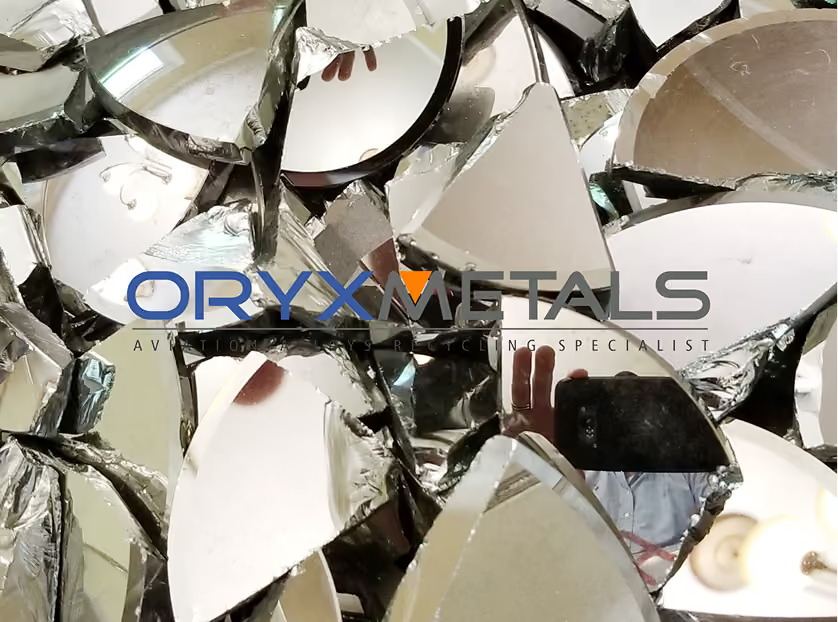
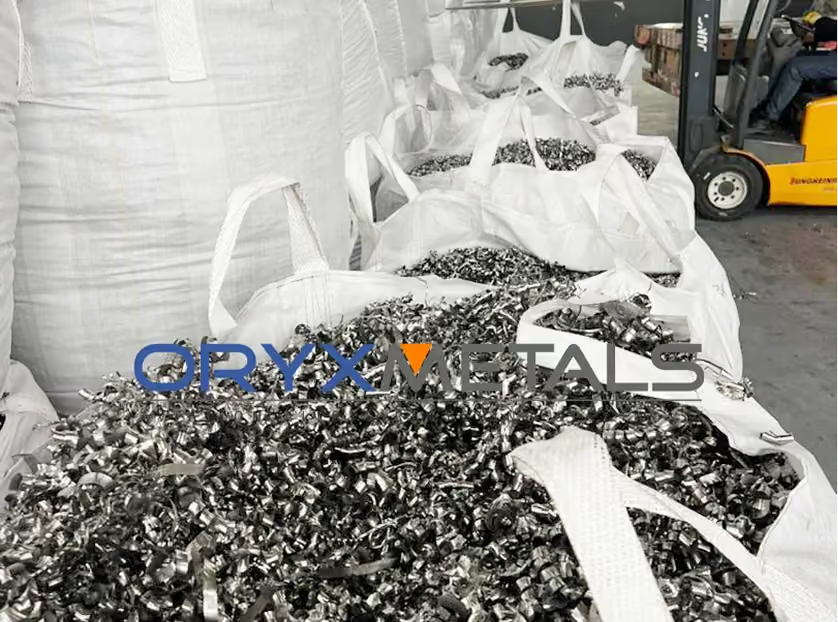
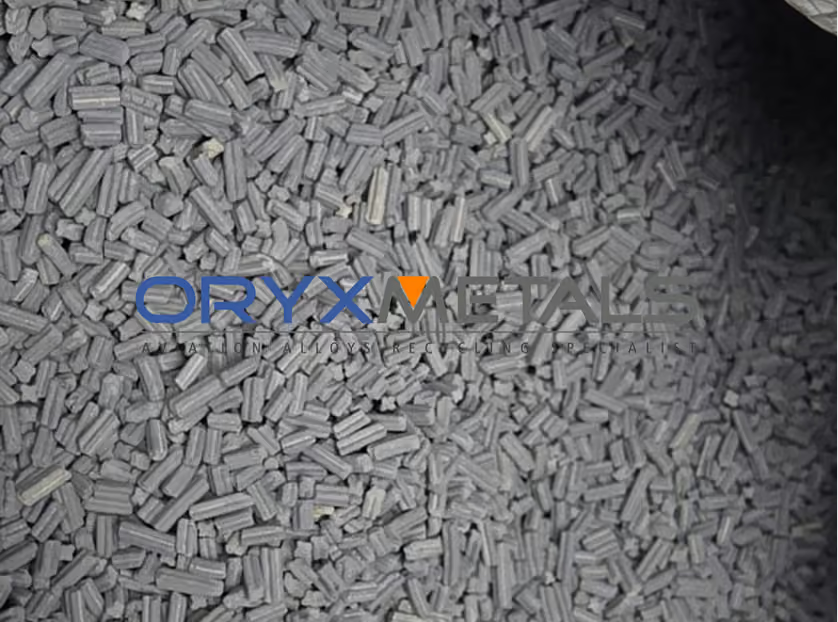
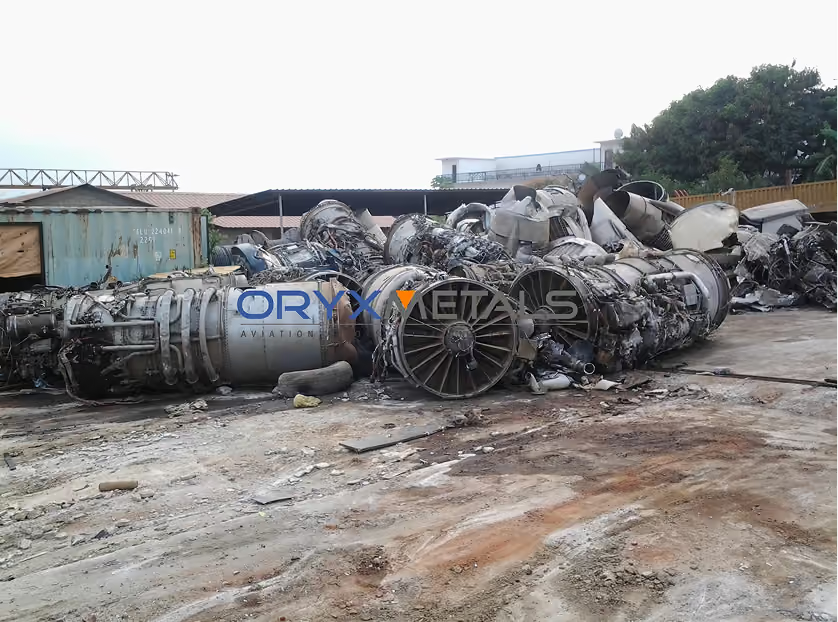
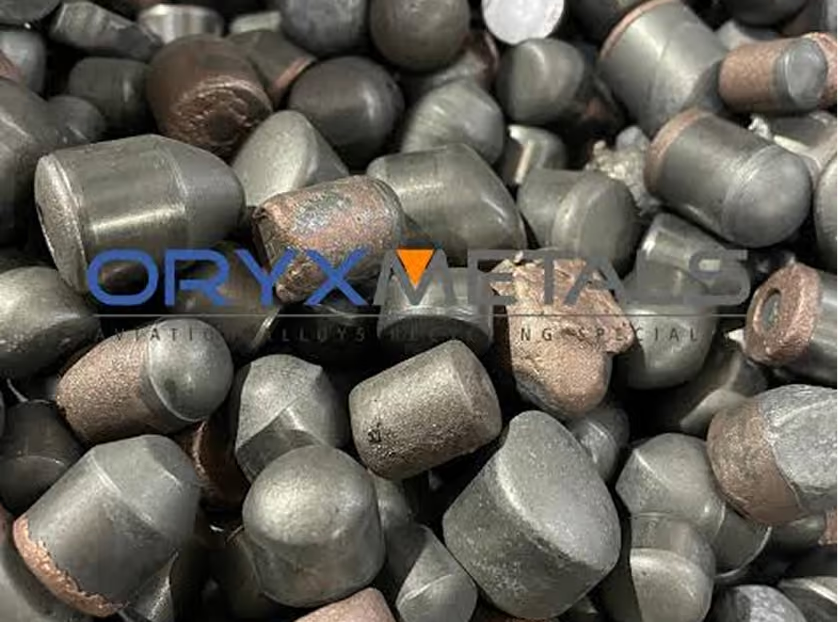
Does your material look like this?
FAQs
Rare earth recycling and neodymium magnet recycling FAQ
What rare earth materials do you buy for rare earth recycling?
NdFeB and SmCo magnets (whole, broken, coated or uncoated), magnet production swarf and grinding sludge, magnets removed from motors, rotors and hard disk drives, rare earth master alloys such as NdPr and DyFe, and rare earth oxides and residues. Rare earth ores and concentrates are covered on the Rare Earth Ores page.
Do magnets have to be demagnetised before shipping?
For air freight, strong magnets must meet magnetic field limits, so they are usually demagnetised or shielded. For sea and road freight, careful packing in non-magnetic containers is often enough. We advise on packing for your route.
What determines the value of rare earth magnet scrap?
The rare earth content, especially dysprosium and terbium in high-temperature grades, the form, coatings such as nickel, and oxidation. Clean magnets earn more than oxidised swarf or magnets still in assemblies. Oryx prices each lot on its analysis.
Is neodymium magnet swarf safe to store?
Fine NdFeB swarf oxidises quickly and can heat up or ignite when dry. Keep it wet or under protective liquid in sealed containers and away from heat. We provide packing guidance before collection.
Can a motor or electronics recycler sell magnets to Oryx?
Yes. Recyclers that dismantle motors, drives and hard disks can send separated magnets, and larger producers of magnet swarf can agree regular collections. We buy from sellers in Asia, Europe and the Americas.
Why work with Oryx Metals on rare earth magnet recycling?
Rare earth recycling is a young market with few buyers who understand magnet grades. Oryx Metals identifies the grade, pays for the heavy rare earths it contains and connects you with processors that can recover them, so magnets do not end up in steel scrap.