Catalyst Recycling
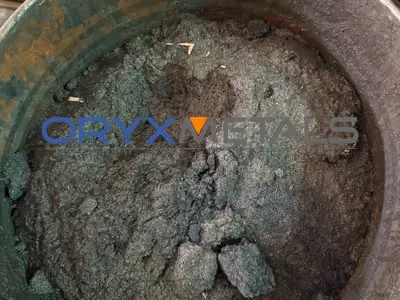
Spent Copper Catalyst Recycling: A 100-Ton Recovery Project in Colorado
How Oryx Metals handled about 100 tons of spent copper catalyst in Colorado, using independent AHK sampling and analysis to recover its full value.


Aerospace is one of the largest users of titanium, and its demand is expected to grow. Recycling titanium extends supply, cuts carbon emissions and waste, and lowers costs while keeping the metal's properties.
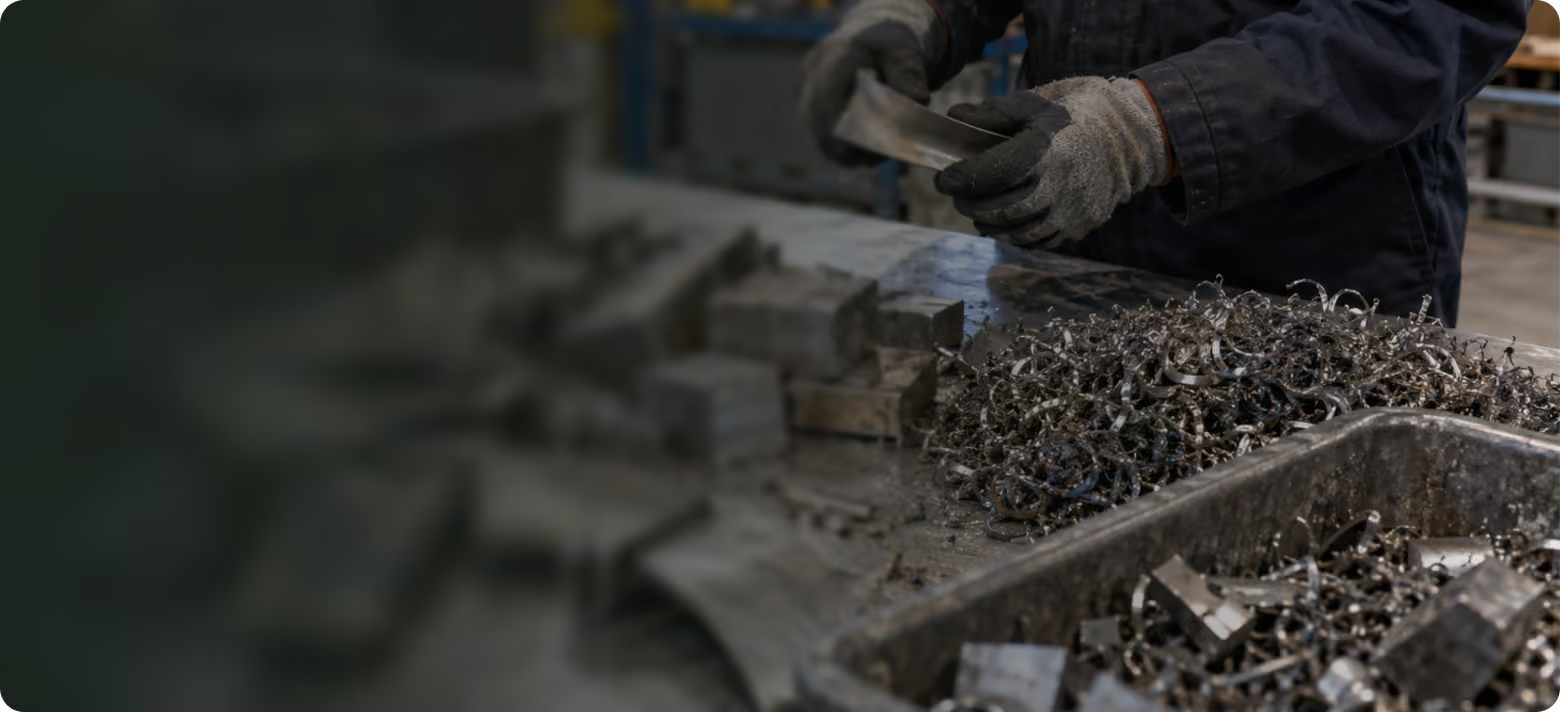
Send a photo, your analysis if available, approximate quantity and location. We’ll tell you whether it’s something we can work with.
In the ever-evolving landscape of modern industries, sustainability and environmental stewardship have become paramount concerns. Among the various materials that drive technological advancements, titanium stands out as a critical resource with immense potential for recycling and its associated benefits.
Titanium, a remarkable metal celebrated for its exceptional strength-to-weight ratio, corrosion resistance, and thermal stability, has found widespread applications across diverse sectors. However, the aerospace industry has emerged as a major consumer of this versatile material, utilizing it extensively in aircraft components, engines, and structural elements.
As the demand for air travel continues to soar, the aerospace sector's reliance on titanium is expected to grow exponentially. This heightened demand underscores the urgent need for embracing titanium recycling, a practice that offers multifaceted advantages for both the industry and the environment:
As the global community strives to achieve the United Nations' Sustainable Development Goals, titanium recycling emerges as a powerful tool for the aerospace industry and beyond, supporting responsible consumption and production patterns. By embracing this practice, the aerospace sector can contribute to a greener and more resilient future, where the finite resources of our planet are respected and utilized in a responsible manner.
Titanium recycling is not just an environmental imperative; it is a strategic investment in the long-term sustainability of the aerospace industry and our collective well-being. By recognizing the transformative power of this practice, we can pave the way for a more sustainable and prosperous world, where the needs of the present are met without compromising the ability of future generations to meet their own needs.
To obtain pricing for your Titanium recyclable scrap materials please contact our Commercial Team at:
Purchasing sales@oryx-metals.com
Its strength-to-weight ratio, corrosion resistance and thermal stability make it essential for airframes, engines and structural parts.
Recycled titanium can retain its valuable properties, making it a cost-effective alternative to newly mined material.
Extracting titanium from ore is energy-intensive. Recycling needs far less energy.
Contact the commercial team at sales@oryx-metals.com with details of your material.
Each lot is evaluated individually. The offer depends on metal content, grade or purity, quantity, contamination and current metal prices, rather than a fixed list price.
A material description, quantity, photos, location and any analysis or assay you have. Email it to sales@oryx-metals.com. If there's no analysis yet, send what you have.